Enjoyable video conversations

During Covid I was working full-time on LEGO projects, all of it from home (like many others). It went surprisingly well, and I believe it had a big impact on LEGO and many other companies’ attitudes towards remote work. A lot got done; even complex creative processes were possible using proper planning, training, and tools. Saved a lot of commuting. Having said that, there was also something dark and tiring associated with that way of working for extended periods of time. We probably all felt that bleak fatigue that comes with far too many awkward Teams-meetings (“Can you see my screen?” “You’re on mute” “Is that an old hand?”). To me, the Teams software became associated with that grim time period, and I have not had any particular wish to relive it. But on the other hand, there was something about with small groups of good people and the occasional positive one-on-one video dialogue that spoke to me.
So in 2024 I made a conscious effort to carry out a series of video conversations with people I hadn’t talked to in a long time, and in a few cases, never before. It was very, very enjoyable and something I would recommend doing more of.

Couple of points: Plan it well in advance and make it a ‘thing’ with a clear starting and ending time. An hour is fine, perhaps with an option to go another if things flow. As with many other activities, it helps a lot if you prep and plan a bit. This makes it much easier to be spontaneous once you’re actually doing it. Some quick notes with keywords on topics never hurt. But the conversation itself is key, no ‘outcomes’ or ‘conclusions/next steps’. That’s not the point!

If possible, I would also recommend using FaceTime; it just feels more natural than the other video chat platforms. The latency is a bit lower and the audio is a bit better, which makes a difference. One of the (many!) reasons that video meetings can feel tiring is that the poor frame rate and broken-up audio force your brain to work in overdrive, filling in the blanks, so to speak. So for those of us living in Apple-land, use FaceTime. And if you’ve ever had a long(ish) conversation with me, you know that often a mail with links relevant to our chat will arrive within a few days 🙂 And if you and I haven’t spoken for a long time, give me a shout and perhaps we can set something up..

LHF : Meditation

You can’t do meditation wrong. When I stopped trying it started working. If it feels like work, then it’s not really working. I heard the Danish musician Kasper Winding on a podcast saying that he felt he had been doing meditation wrong for 20 years(!), basically he just been doing more thinking upon thinking, rather than meditating. I found that pretty hilarious, because it hit me on a personal level. We are so used to achieving and performing, and meditation is the exact opposite of that;

But meditation is not about feeling in a certain way. It is about noticing what you feel. Meditation is not about taming the mind or making it quiet, although silence is actually deepened through meditation and can be cultivated systematically. Meditation is first and foremost about letting the mind be as it is, and knowing something about how it is right now. It is not about getting somewhere else, but about allowing yourself to be where you already are. If you do not understand this, then you are constitutionally incapable of meditating. But it is just more thoughts, and in this case, it is thoughts that are completely wrong.

Just sit down, close your eyes, focus on your breath, let the thoughts come and go. Sit for as long as you feel comfortable doing it. Maybe it’s only two minutes, maybe it’s 30 minutes, just see what happens. Don’t force it.


That’s it!

(but if you want, there’s more..)


Of course there is a lifetime of practice and philosophy and spiritual development you can add. Of course.

David Lynch was always raving about the amazing benefits of Transcendental Meditation. BUT not a fan of the setup where one have to do a special course to join.

I have practiced Kundalini Yoga which has meditation, chanting and breathwork as part of the practice. It was good, BUT not a fan of the quasi-religious huckster-ish back story of Kundalini.

I am convinced that walking meditation aka just taking a walk and paying attention to yourself and the surroundings has a lot to offer.

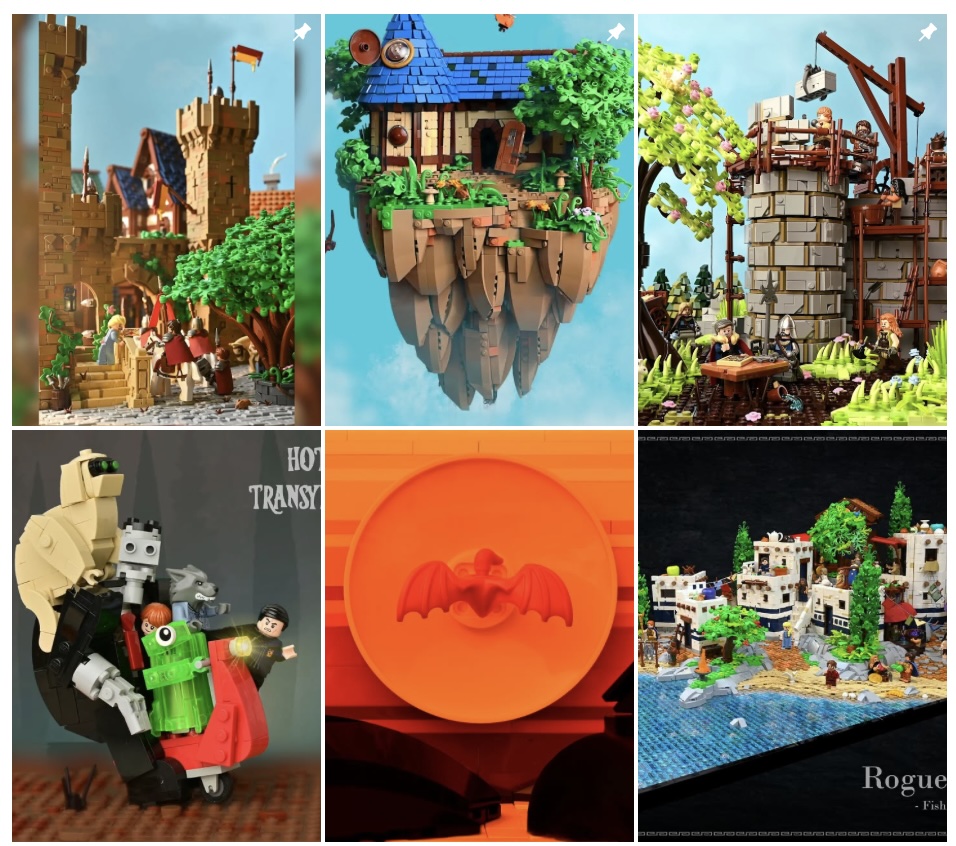
My favorite LEGO Instagrammers

One of the great things about the LEGO product is that there are always new surprising ways to build. And I’m still amazed on a regular basis when looking at AFOL accounts on Instagram. Here in rapid succession a few faves:

JK Brickworks – Amazing moving mechanisms with style and humor.
Doubleking – One word: Seatron! Some deep cuts there.
Tips & Bricks – Cool mini reviews and infographics.


Brothers Brick – Oldie but goldie. (the blog is still great)
Brickleas – The models and the photography is outstanding.
Cosmic Brick – Flawless recreation of alternate builds etc.


Brickstalgic – Outstanding builds, often smaller charming builds.
Avanaut – Great photography and style, also non-LEGO models.
legobuilds (sic) – Newish official AFOL account, solid retro content.


There are many other great ones for a future post. What are some of your favorite LEGO people on Instagram? Share in the comments.

The curious case of the 1875 Meteor Monitor

The LEGO Space set 1875 Meteor Monitor came out in 1990, in between original Blacktron and Blacktron II. It was part of a ‘Bonus Pack’ and I only have very faint memories of designing it. BUT since there has been quite a bit of speculation regarding the curious color scheme of this set, let’s dive into that..

The original Blacktron sets had done very well sales-wise, so there was to do a sequel of sorts. The consensus, however, was that Blacktron felt too aggressive, so the brief was to tone the darkness down while maintaining the cool factor. And I do recall spending some weeks (or was it months?) trying out different designs and color combinations. One of the better ones had little rainbows embedded in the models (five 1×2 plates stacked to form a tiny rainbow, probably inspired by my love for the ZX Spectrum home computer I used a lot in the early 80s). The boss of my boss said at the time that it was a clever way to tone down the agressiveness of Blacktron, but it didn’t make the cut. Rainbows did not have any particular symbolism in the early 90s by the way 🌈

Spectron?

Another combo I tested was black and white elements + orange transparent (the orange trans was later used in the Ice Planet range). Having designed models for the Idea Book 260 may also have inspired as it also mixed and matched Futuron and Blacktron colors. And designing promotional sets was also a bit like having free playtime; the pressure was off, so to speak. And it was often an opportunity to be a bit more playful and casual regarding the design. And the brief to design the Meteor Monitor probably came by my desk in the same time period as the Blacktron color experiments. It is hard to recall the exact thinking behind the choice of colors, but having worked on the new color combos may very well have caused me to make it black and white as a kind of easter egg, signaling things to come. Blacktron 1.5 of sorts. Wish I could say it was 100% on purpose, not sure about that. But it’s a fun little set, bit of a hybrid/bastard colorwise but I like the shape of it. And several fans have fixed the color ‘error’, so there..

Fun fact: I don’t own this set myself. Normally, the designer of a set was given one copy at launch, but more often than not, promotional sets slipped through the system. And it’s a bit expensive to buy it now.

For more 1875 fun, watch this video by R.R. Slugger:

Recommended: Google Nest Hub

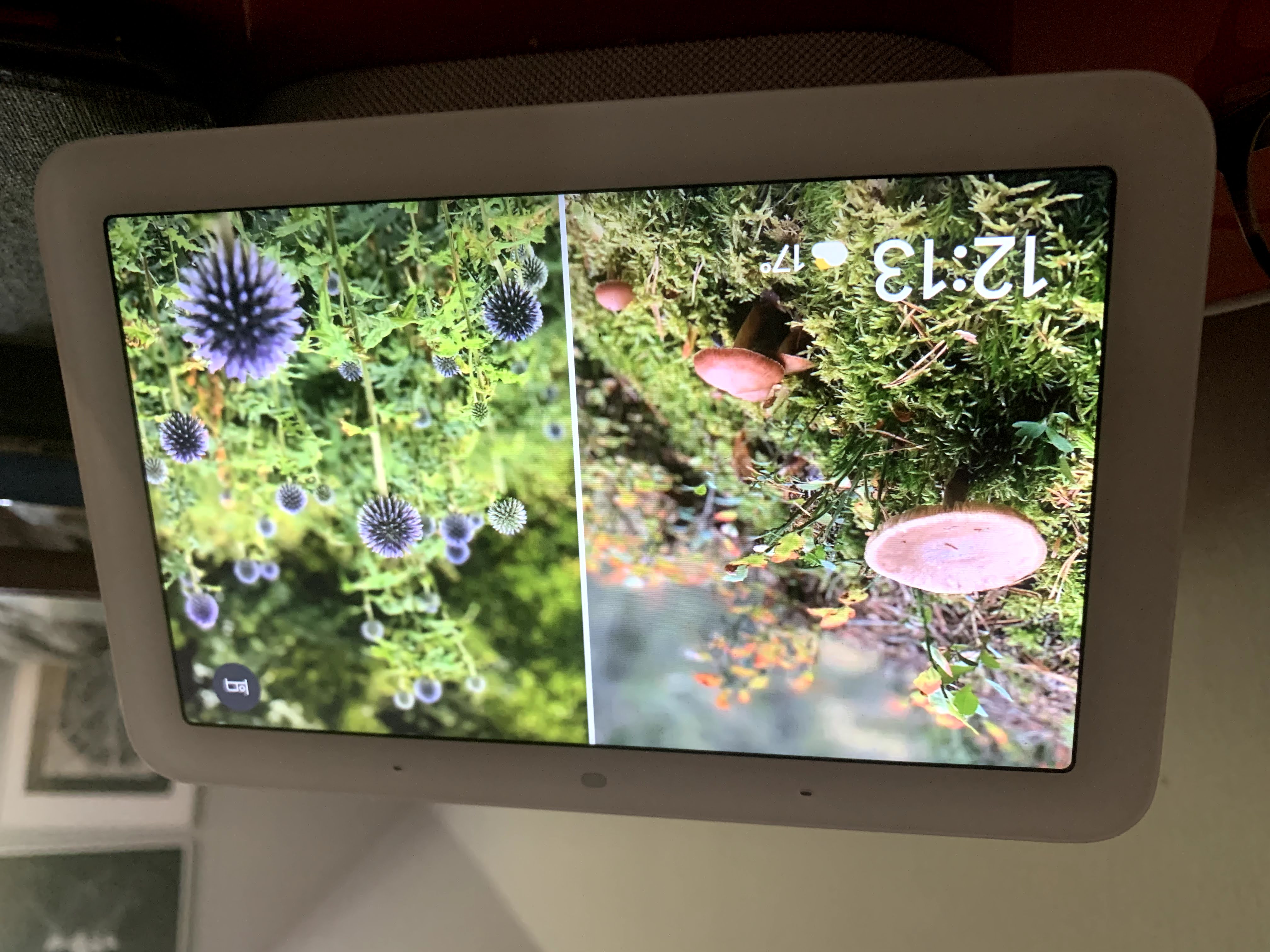
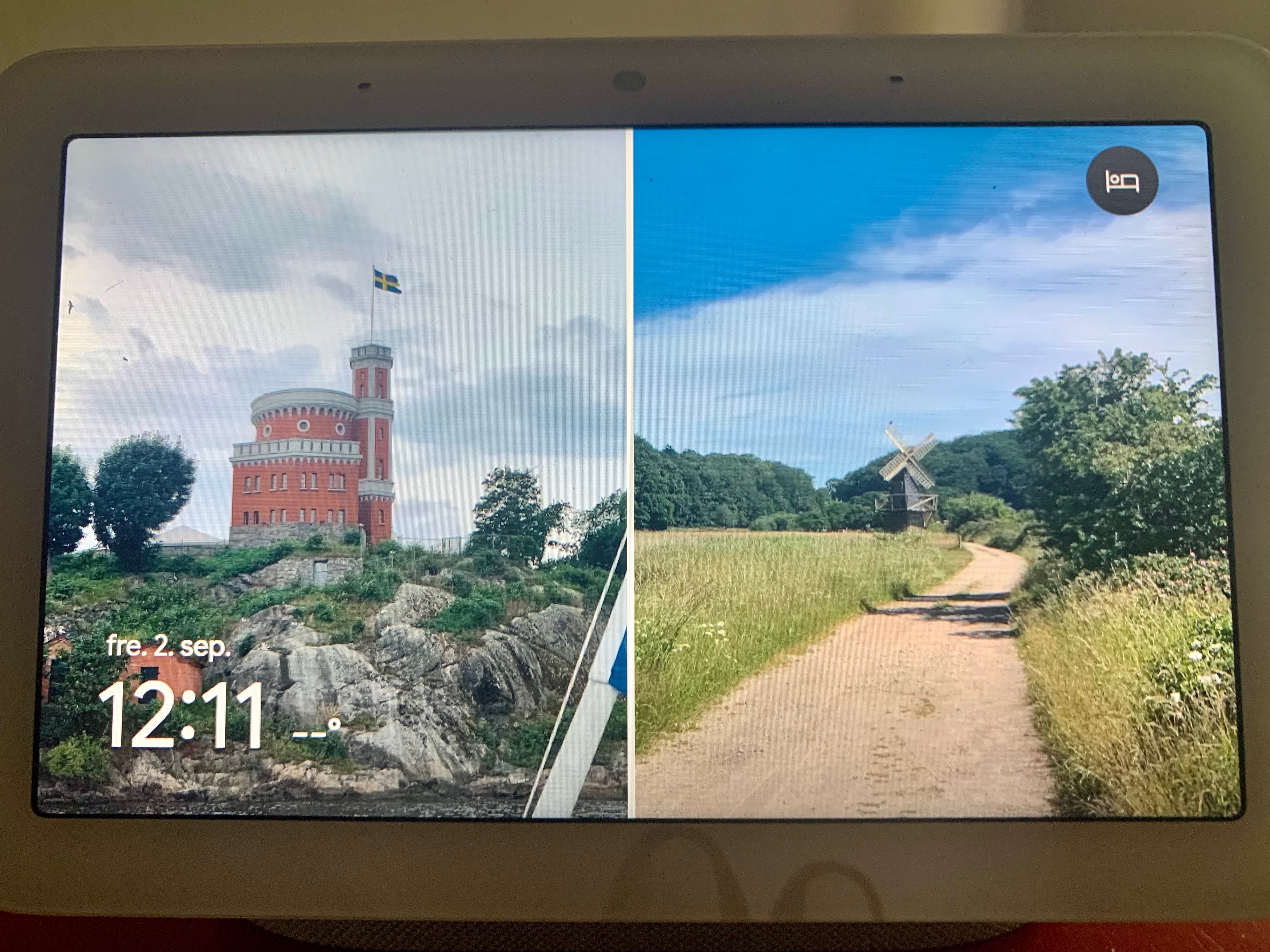
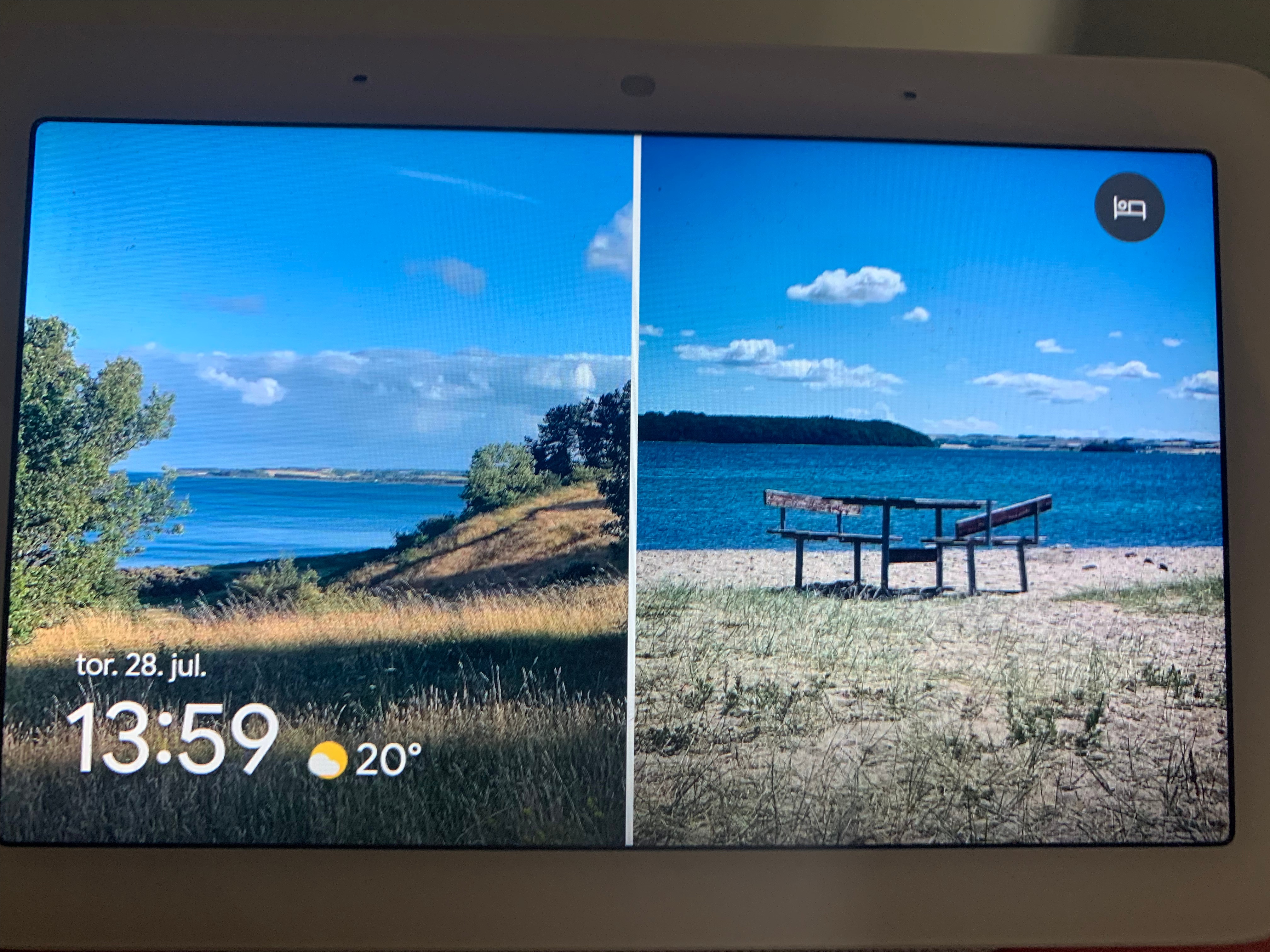
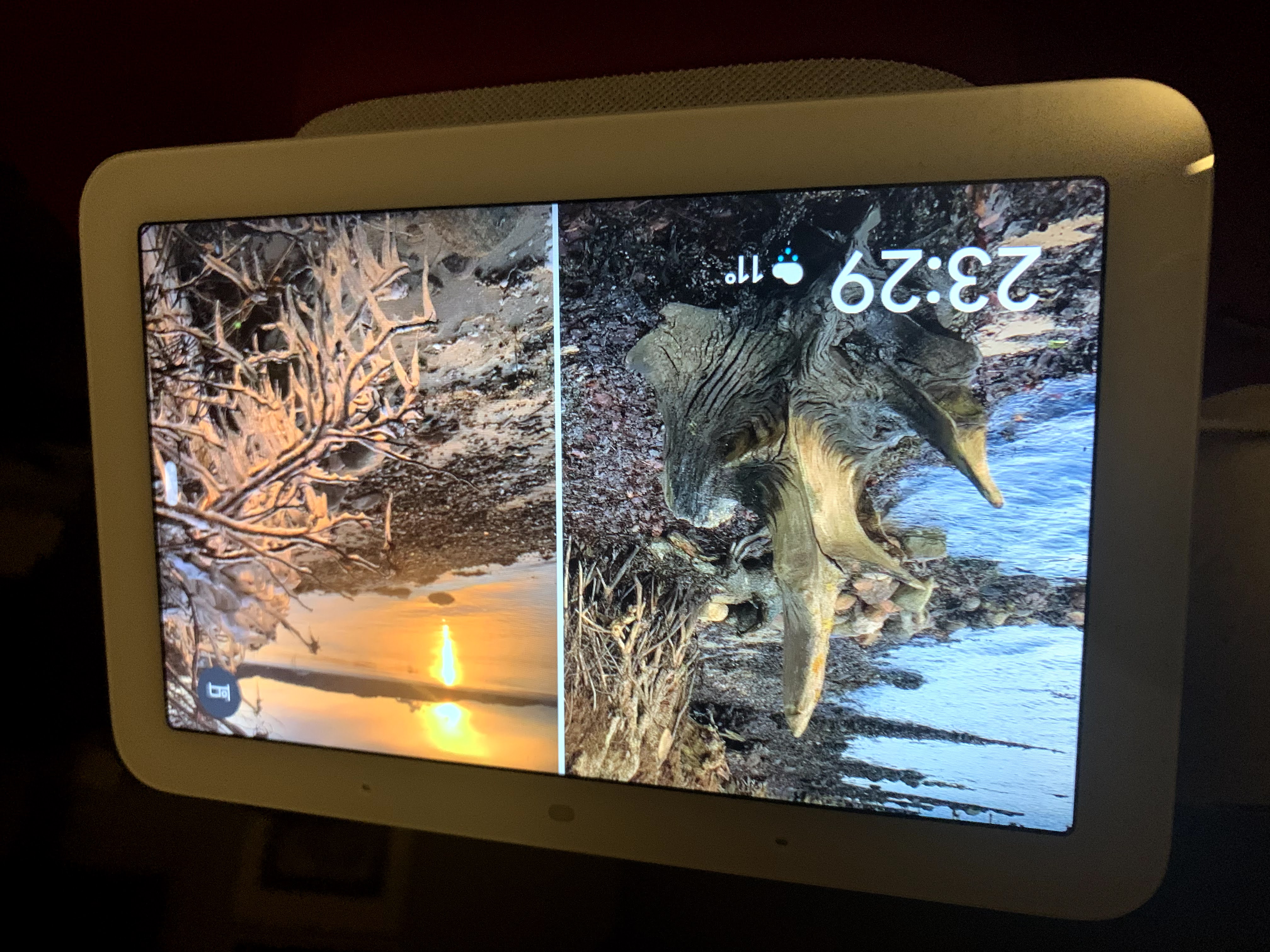
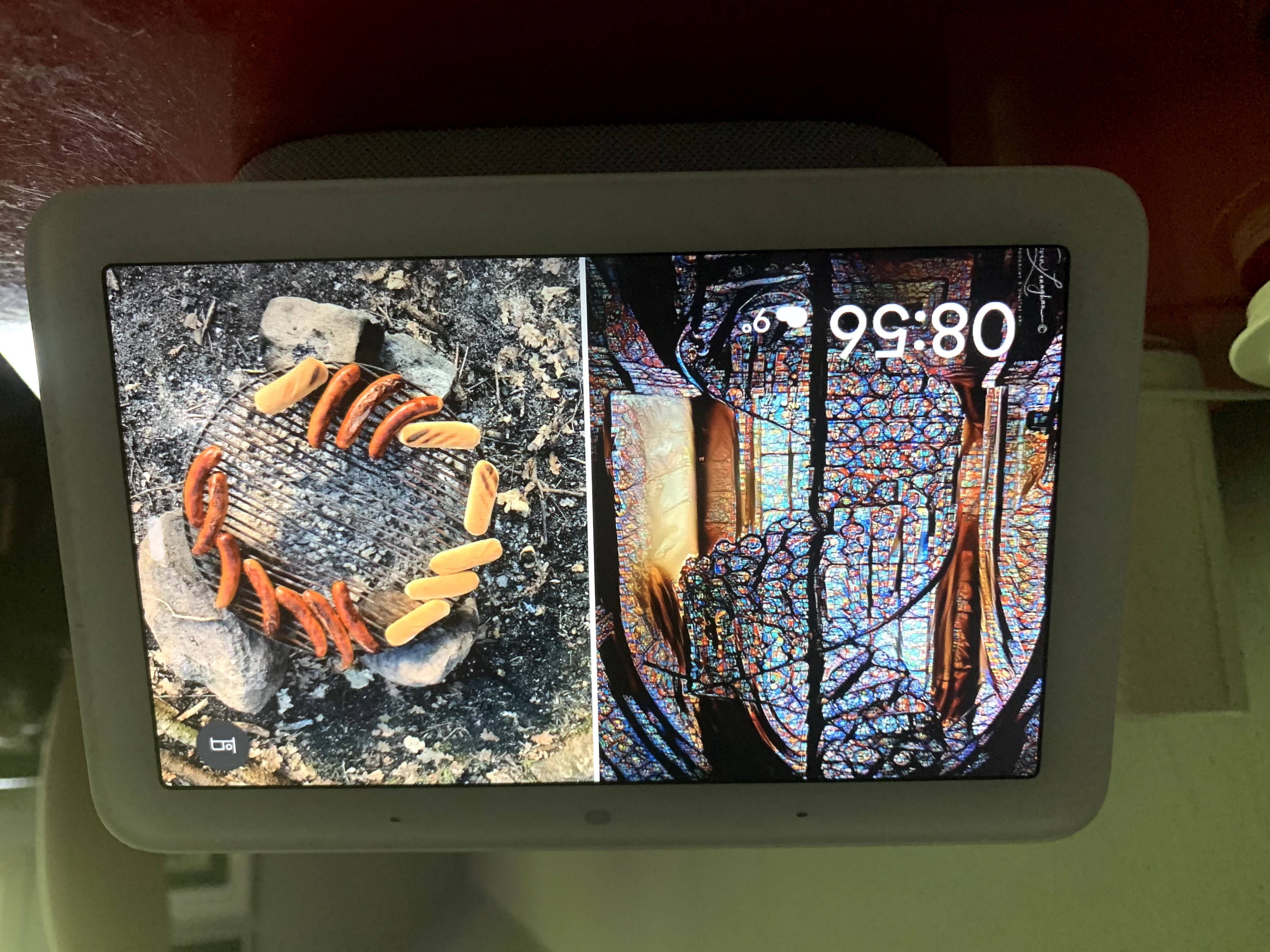
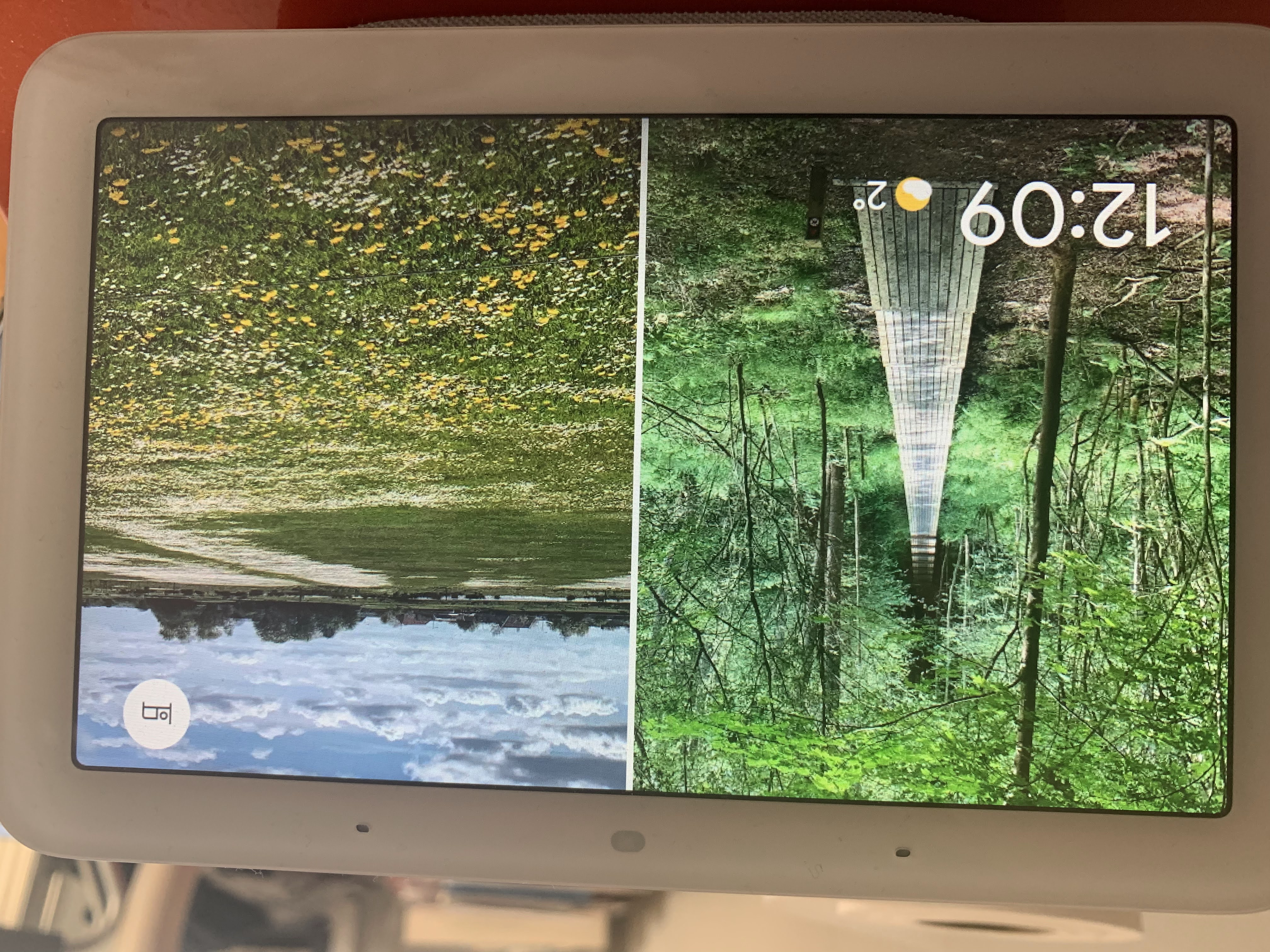
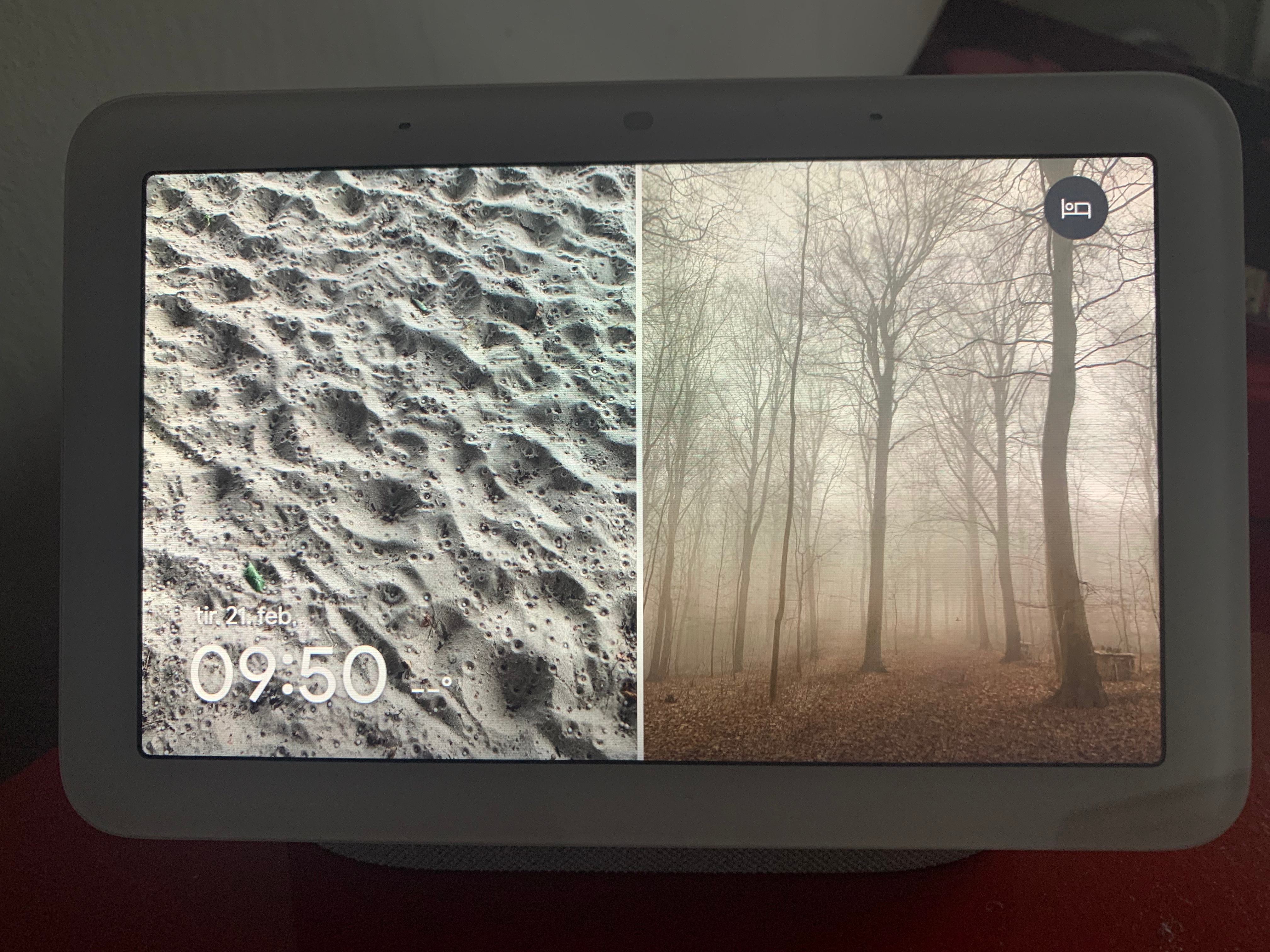
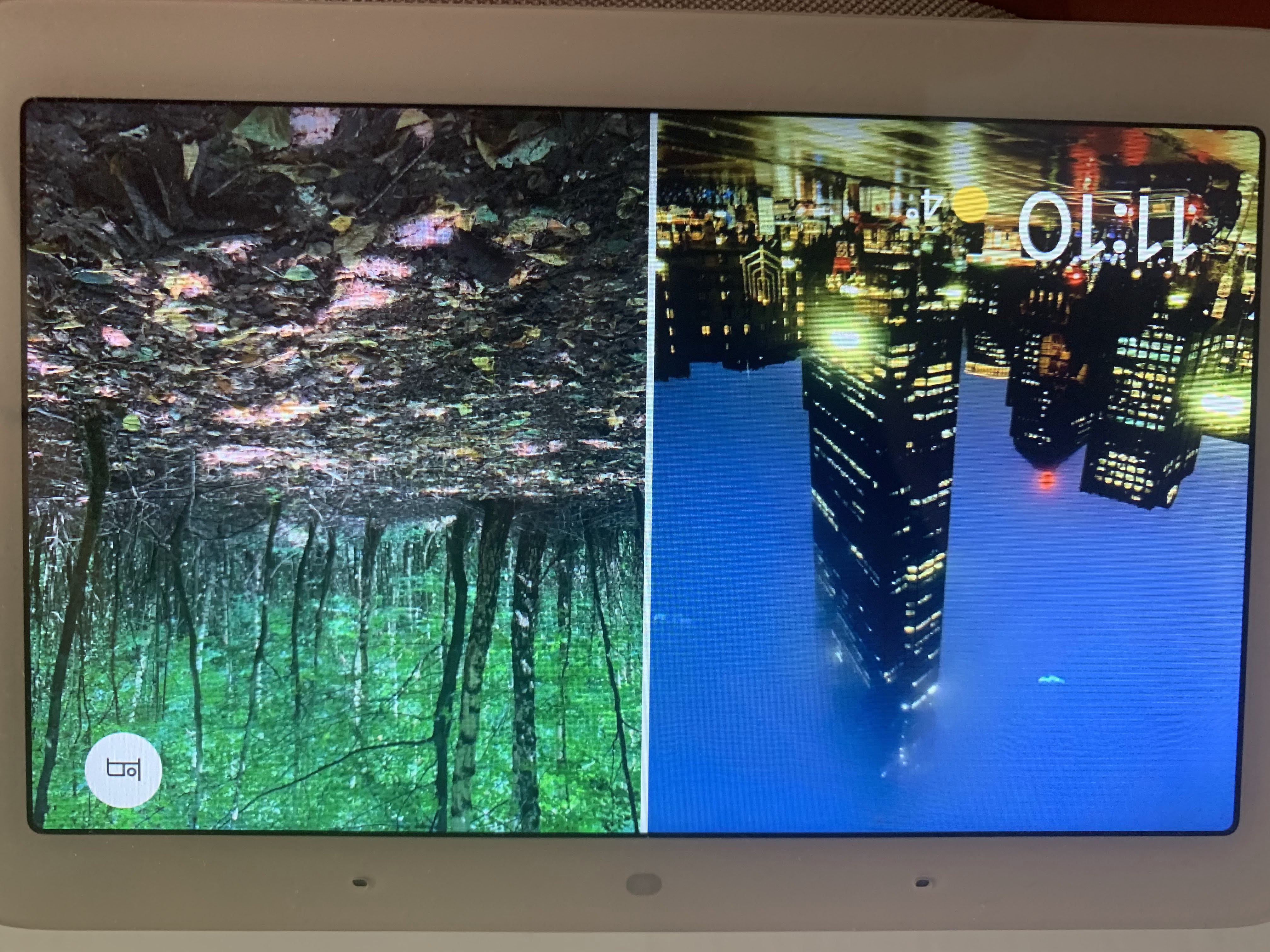
I’m a big fan of the Google Nest Hub (2nd gen). It’s relatively cheap, and it just works. I use it many times a day for simple tasks and media consumption: listening to music and podcasts, watching YouTube and DRTV, checking the weather, and asking quick questions. It is also super easy to create scripts to carry out a number of user-defined commands, controlling lights and other home automation devices etc. But the best part is probably just using it as an always-on photo frame, showing images from my vast Google Photos account. When I spot a good one, it’s just “Hey Google, favorite this image,” and it’s saved for later. I love it. We have a Google data center here in Fredericia, and sometimes I wonder if all my photos live there.

It seems the algorithm showing the photos has a way of finding patterns in the images and matching them up side by side. When I see a good combo, I sometimes take a snapshot of it:

My Top 7 LEGO Space sets

Just because, my all-time favorite LEGO Space sets. I will do another top 7 on spaceships too, one with my fave LEGO elements,, and maybe one with smaller and more quirky sets. The sets are in no particular order, except for the top one..

The 6989: Mega Core Magnetizer is, to me, the best LEGO Space set ever. Why? First of all, it’s a vehicle, not a spaceship. Designed by the late and legendary Jørn Thomsen, it has all of his signature moves: great functions, steering, and clever use of elements. Just look at it. Using old LEGO train magnets in LEGO Space was Jørn’s brilliant idea—great stuff. Making such a huge model robust and playable was a feat in itself.

Always had a fondness for the 926: Command Centre for some reason. The simplicity and clean design of the early Classic Space sets will always be charming, especially this one from 1979. Pay attention to the old school TV antennas and the large decorated element displaying a live(?) feed from space. Very nice! The set includes four minifigs, which is quite generous.

Next up, another base; 6972: Polaris I Space Lab. From when I started at LEGO, I was a fan of Carsten Michaelsens designs and this one is a unique gem. Probably the only set being symmetrical at a 45 degree angle, very stylish and clean design with distinct black and white areas. Great use of the classic crater baseplate. Basically Futuron just before Futuron was a thing.

This one is a bit special 6951: Robot Command Center. What is it, a stationary robot, a mobile base, a house? Who knows, maybe Jens Nygaard Knudsen did (I’m guessing he designed it). Like abstract art, strange and quirky, love it!

Oh look, it’s the6940: Alien Moon Stalker. The naming of LEGO Space sets will be a topic for a separate post, who came up with those? Just look at it stalking and walking, like some mutated AT-AT with missiles in the belly. Brilliant. The leg walking mechanism was used several times, also by me, notably in the Blacktron Alienator.

Gotta have some Blacktron, and 6987 Message Intercept Base by Daniel Krentz is a wild one. He was really into designing buildings, mostly castles, but this one goes hard. I designed the little spaceship and the vehicle. Also, the roof opening mechanism was sampled from 6953 designed by yours truly.

Lots of wheels on 6928 – Uranium Search Vehicle (very specific job description!) And lots going on with all the radar dishes, antennas and whatnot. I just like the look of it. In 1998 I did a kind of homage to this set with the 6925 Interplanetary Rover (a personal favorite)

6928 / 6925

Questions, feedback? Let me know in the comments.

Hey, I’m walkin’ here

The closest you get to doing nothing and still doing something is walking. I love taking walks, and I do it almost every day as part of my routine. It helps that I am very close to forests and the sea, but the main thing is that it boosts my thinking and my mental state. No one ever came back from a walk and said, “Damn, I should not have taken that walk” (from what I know). It may even be healthy. And one thinks differently when walking, compared to sitting, bicycling, running, commuting, and so on. There’s something about the natural pace of walking that does good things for the way I think.

In 2021, I walked 80 kilometers in a single day, from sunrise to sunset. That added up to 104,000 steps, or 50 miles. Why walk so far? Well, basically just to see if it was possible and because it offers a great opportunity to think a lot of thoughts and enjoy some beautiful nature. At least a couple of times a year, I go on a long walk of 50–60 km—it’s a form of meditation, and I highly recommend it. Just start with shorter distances and work your way up.

Everything clicked on that warm day in August: my legs felt good, I got only one small blister, and the weather was perfect. The key is just to maintain a pace of five km/h, including breaks, and to make time for lunch and a big ice cream at Østerstrand in Fredericia. The route was a mix of all the great hiking trails in the area around Lillebælt. I hadn’t planned it in advance, but I made sure to avoid too many hills and to keep a good balance between trails and asphalt. As you can see from the map, I did three loops, so there was an opportunity to quit if things didn’t work out. Never walking that far in one day again. Probably.

Here’s a couple of tips for walking that I have found useful.

I always keep a small backpack with basic supplies ready for a spontaneous long walk. Nothing fancy, just some extra socks, a water bottle ready for filling, napkins, band-aids, my antihistamine pills, a pen + paper. This makes it very easy to walk out the door when I feel like it, no friction.

Walking alone is very different from walking together. Both are great, and I am lucky enough to have two handfuls of good people who want to walk with me. It’s such a perfect combo: good conversations, light exercise, fresh air, and being in nature. Hard to beat that. A bit of route planning adds a lot to the enjoyment.

I am not a fan of walking boots, as I mostly do rather flat routes and surfaces. But I have two pairs of walking shoes, and on the really long trips, I switch a couple of times, including dry socks. And a pair of trainers is fine for walking as well, but good walking socks with dedicated left/right designations are definitely low-hanging fruit. Keep your feet dry at all costs.

Normally, I don’t listen to music or podcasts while walking. But I often take a lot of notes, always using voice dictation on my phone (just the Notes app + Siri, it works extremely well, perhaps 95% accurate). I also shoot quite a few photos en route; the only rule is that I never go out of my way to take a photo. You can see some of them here.

Me + AI

I believe most of us try to boil AI down to something we can handle mentally; “Well, it’s just advanced autocomplete, it’s just a stochastic parrot, it’s just another tool” etc. etc..”. Sorry to say, it’s much bigger than that. We don’t really know what it is, and people who claim to do so are often dumb or too smart for their own good. Sit down, be humble. AI is not another technology, it’s different. Consider this.

Intelligence may no longer need to be localized within individual minds. Knowledge, once thought to be stored and retrieved like files from memory, now appears capable of being dynamically assembled from vast latent structures. Reasoning, long assumed to be linear and stepwise, is increasingly replaced by parallel, probabilistic processing. And perhaps most provocatively, meaning itself may not require introspection. It can arise in context—without any internal monologue or conscious reflection. 

I enjoy using LLMs every single day. For one thing, they completely replace the rather useless 2025 experience of Googling things. I often need to have things explained to me, and LLMs are great at doing so at any given length or complexity; how does this author compare to this one? Make a list of lesser-known movies based on these three unknown movies, give me the five main points from this book, explain this obscure meme. When ChatGPT was upgraded with memory, it was a real game-changer; suddenly, the answers could be based on earlier chats and things you explicitly wanted it to know about you and your way of thinking. And you can have some great conversations on philosophy, personal development, problem-solving, and any other ‘deep’ topics. Just treat it as a dialogue with a (very) smart friend; sometimes they are wrong, sometimes the thinking is flawed, but you will often be a bit smarter afterwards. I think I have some fairly smart friends, and they will quite often disagree on fundamental questions, which is sobering to observe. I also make an effort to use multiple LLMs as a matter of principle, switching between ChatGPT, Claude, Gemini, and Perplexity. Some may say it’s like going from Coke to Pepsi to Jolly Cola, and it may be so. But it often brings slightly different perspectives even if the frontier models feel rather similar. And one of the worst aspects of AI is the feeling that everything becomes average. Just like our physical spaces are evened out by global Internet culture (ever heard of ‘Airspace‘?), it seems like all writing, thinking, art, etc. converges towards some kind of collective global average. I am not a non-AI purist by any means, feels like there will be a solid future demand for people with strong personalities and original perspectives. So much AI slop out here. There is a big Danish AI Facebook group, and it is obvious that much of the writing there is done by machines, peppered with ghastly AI images. And it feels so bad; sometimes I have an actual physical reaction when looking at it. And don’t give me the old “Well, most people can’t tell the difference anyway” argument; I just don’t like machines acting like people, and people acting like machines. And if we are meeting the machines half way, then it’s a full win for the non-human side.

I’m not using much AI when writing posts here. It just feels off to do so. Full disclosure: the WordPress spell checker has AI built in. And I may use AI to brainstorm ideas and topics, but the actual writing is done 100% by me, flaws and all. Many of my notes are collected in NotebookLM now, it’s interesting to chat and enquire into one’s old thoughts. Oh, and I really, really hate 99% of the ‘art’ done by AI image generators, so there won’t be much of that on lovetobuild. And you can explore this site using an AI. Just so you know.