
The easiest way to have better conversations is simply to ask more questions. Be a little more curious and present, try to listen a bit more (two ears, one mouth and all that). Perhaps we are seeing a side effect of online communication where everything is about the next thing. And of course, it is tempting to quickly follow up on a point by relating it to something you have experienced yourself. Nothing wrong with that, it’s how we connect the dots. But try to acknowledge what the other person is saying by asking a follow-up question or two. Otherwise, the conversation can easily turn into a tedious back-and-forth of “Enough about you, let’s talk about me” affair. When you feel seen, heard and perhaps even understood, you are also much more likely to share more, and the conversation becomes deeper. I am trying to become better at this myself; it is mostly about being aware and just being a little bit curious. That’s it, really.
Oh, and LHF is ‘Low Hanging Fruits,” just super simple little things you can try.
Tag: LHF
How I look at art exhibits
Maybe you can use my approach; it’s a simple and useful way to sharpen your intuition. Always come to the museum or the show when it opens in the morning. That way, you have optimal energy and openness to take in new things. Start by walking all the way through the exhibition at a fairly high pace. Don’t stop during the walk, but try to notice all the artworks without thinking or judging the pieces. Then, walk back to the beginning. Now you know more about how to pace the visit, but more importantly, you have a sense of where to put your attention. And I think most people will like to know what they are getting into; we like estimated reading times on articles, and we want to know how long that video or podcast is before committing our precious time. There is always way too much to see and take in, especially at the big museums. But I’ve found that my intuition will point me to a handful or two of artworks that deserve a deeper dive. So, more often than not, I will spend 80% of the time on 5-10% of the art. The Tate has a good little piece on Slow Looking, well worth a look. The approach described works well for me; perhaps it’s something to try?
I am generally not interested in knowing the titles of the works or the artists’ intentions or life histories, etc., beforehand. This limits the ability to simply experience the work without prejudice. The most important thing is to experience the works, not sort them into little buckets of “beautiful,” “ugly,” and so on and so forth. Always having a kind of “beginner’s mind” when looking at art is extremely important to me. I know a bit about art history and artists (especially the current Danish ones), but I believe that knowledge can get in the way of having an immediate experience; it can become a case of intellectual connect-the-dots that does nothing for me.
My approach to watching movies is similar; I generally like to know as little as possible before watching. The movies I like are often a bit strange and open to interpretation, so I prefer to be as open as possible. But after watching a good movie, I will often take a dive into analyses and reviews. I will also be happy to take in a good behind-the-scenes feature (something which has sadly been a bit lost with streaming; DVDs often had all that cool bonus material. But often there is stuff to be found on YouTube). Here are some unusual movies that I like.
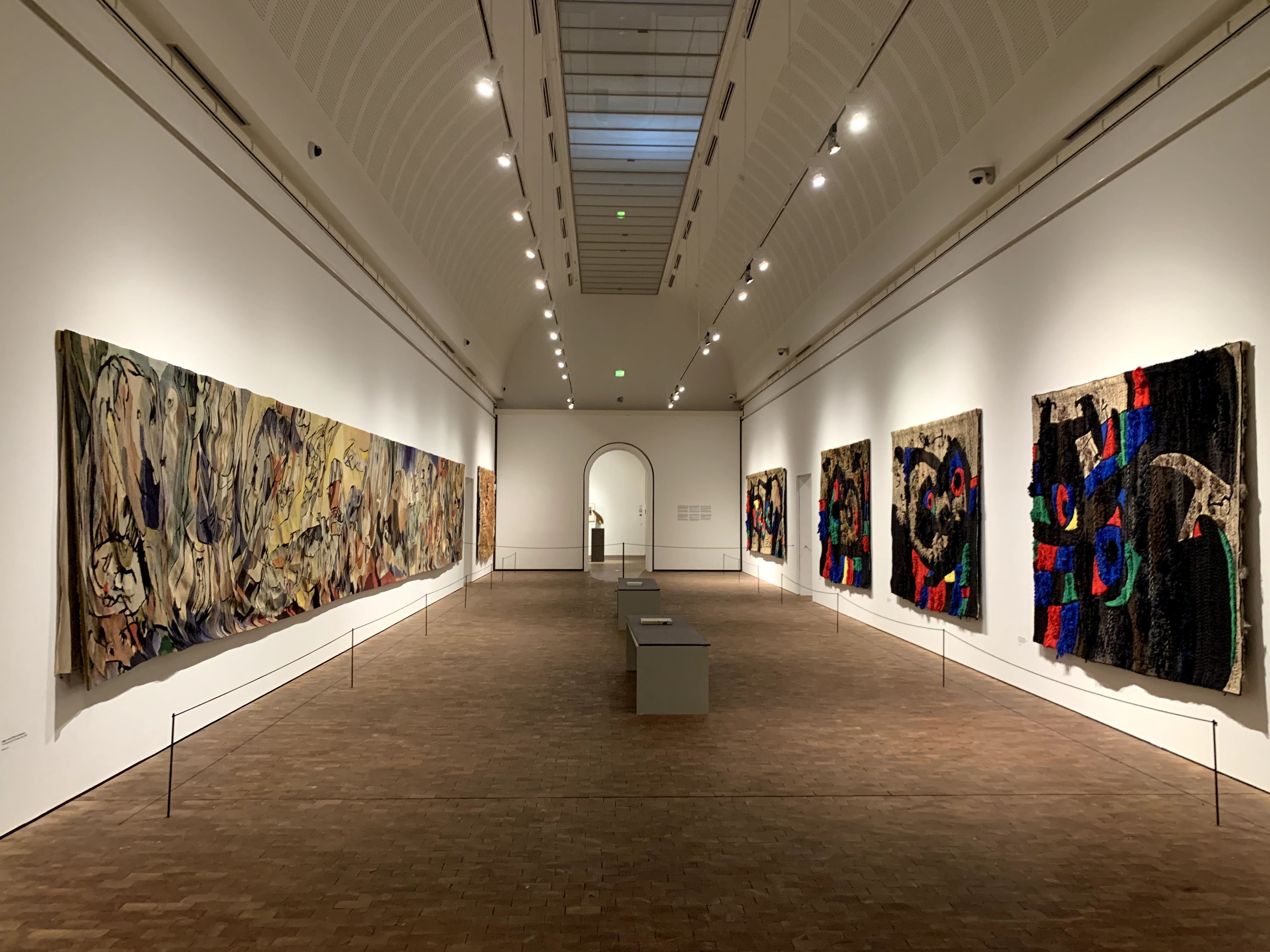
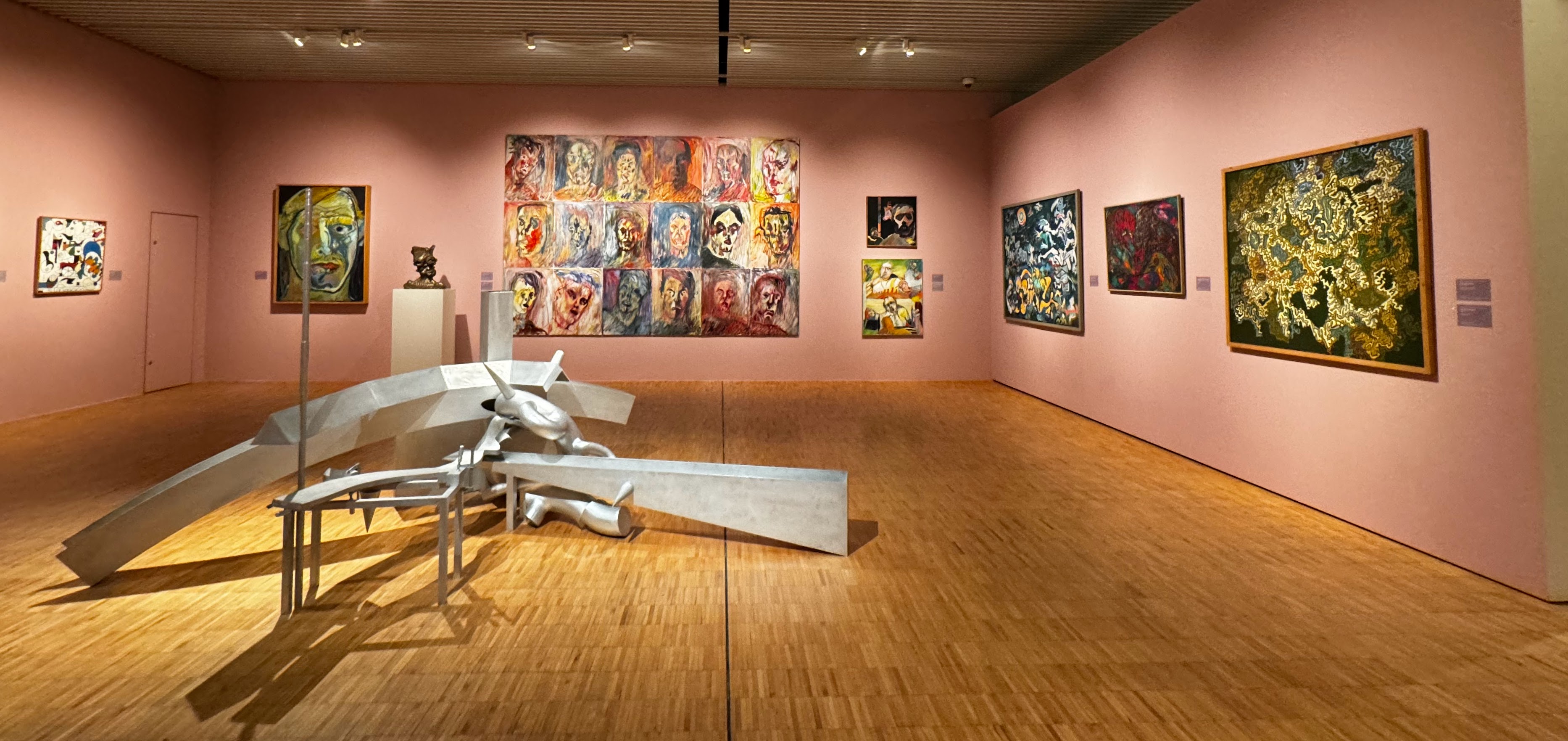
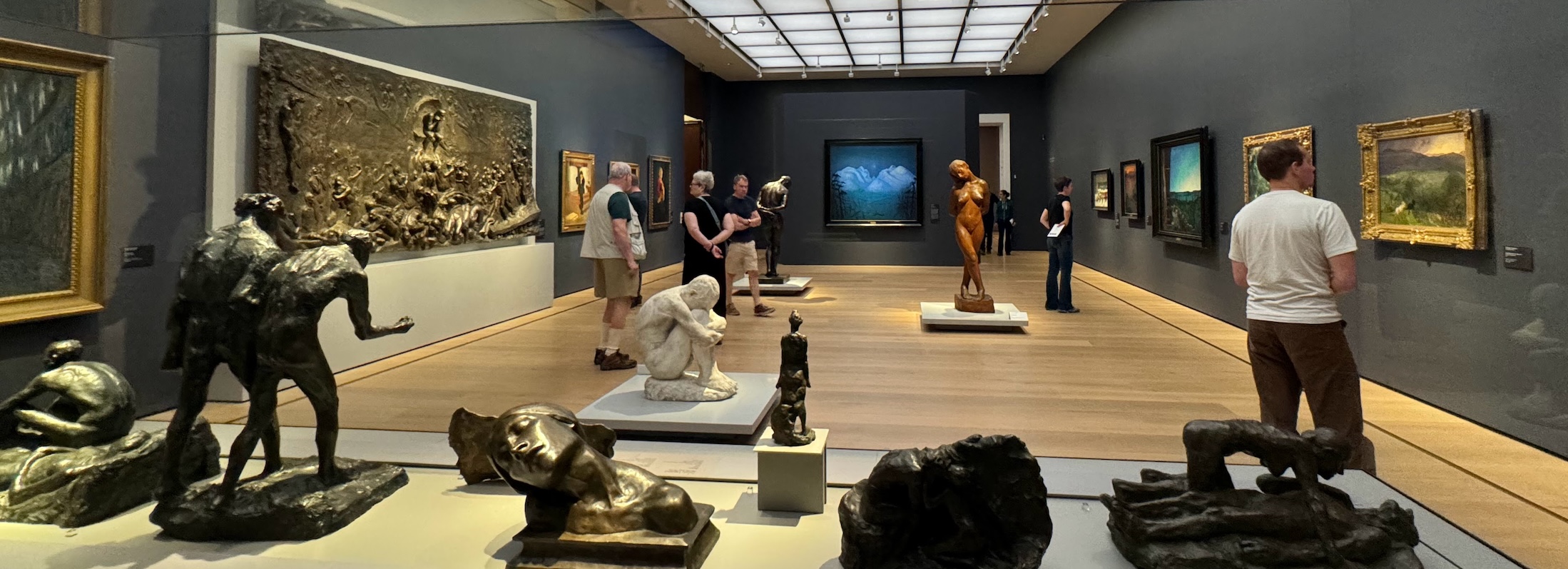
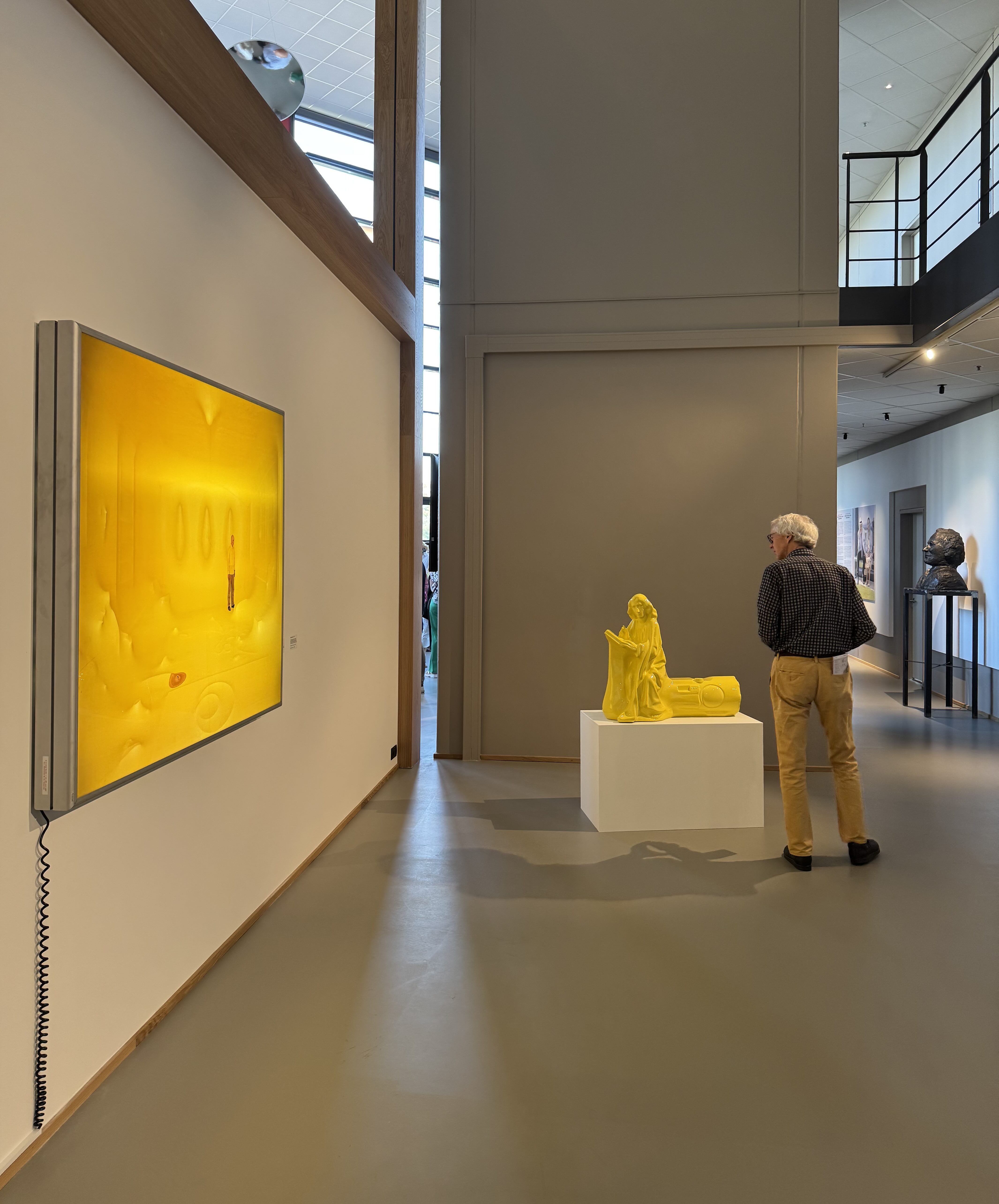
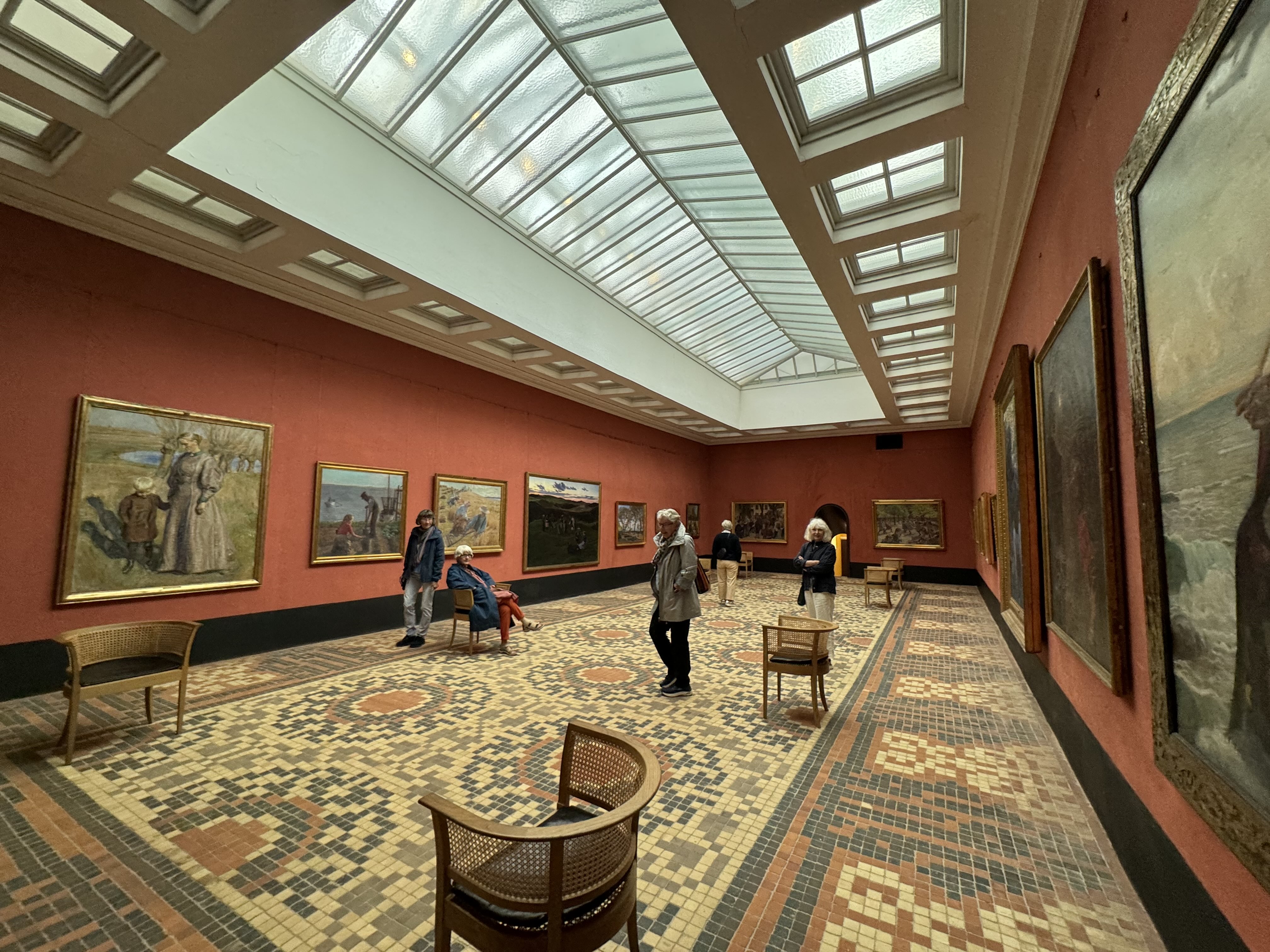
A few ideas for your next visit to an art museum;
– If you go together with friends or family, split up, at least for some of the time at the exhibit. Then meet up and talk about what you’ve seen; maybe revisit some artworks together. But looking at art is really not a team sport.
– Show up early. Once I went to the Louvre at opening time. Most of the guests headed straight to see you-know-who; I went straight to the furthest corner of the world’s largest museum. A whole hour passed before I met another guest; it was great.
– If you really like the art, try to see if you can go twice to the same exhibit. It can be an extra look through at the end of a one-day visit, but even better to come back at a later date. Once a year or so, I visit Statens Museum for Kunst in Copenhagen to look at new stuff, of course, but also just to revisit some favorite paintings.
– Take lots of photos. It’s impossible to remember all the great stuff you see on an extensive visit to a museum. Today it’s super easy to do an image search later to get more info on the works. So it’s not so much for looking at the art per se, more as a visual diary for later recall and research.
Good luck / Bad luck
Clever quotes from famous people are a mixed bag; most of them sound great on paper and contain some truth, which is why they have stuck around. But then there are a few that touch you, those that ring so true that they can’t be ignored. Sometimes they can change your perspective on the world a tiny bit. Here’s one from the late American author Cormac McCarthy;
“You never know what worse luck your bad luck has saved you from”
No further explanation needed, I guess. Similarly, when you experience something really good, you want it to go on. And when it ends, the first instinct is to feel sorry it didn’t last longer. But as with the bad luck, the good thing could have ended sooner, or it could also not have happened at all.
I’ve found this to be a useful way to think about both good and bad luck.
LHF : Kickstarting Creativity
The simple secret to creativity from painter Jasper Johns: do something, do something to that, and then do something to that.
The first ‘do’ is by far the hardest. And if you don’t know where to start, start anywhere.
The best framing on how to start something creative came a couple of years ago, it’s already classic. It came from Rick Rubin who also did one of the few great books on pure creativity, The Creative Act. Some people found it too fluffy and hippie-like, but I took many notes while reading the book.
But back to the framing, this is brilliant;
If you’re making something with a freedom of “this is something I’m making for myself for now”, that is all [you have to do].
It is a diary entry.
Everything I make is a diary entry.
The beauty of a diary entry is that I can write my diary entry and you can’t tell me that my diary entry wasn’t good enough. Or that [the diary entry] is not what I experienced. Of course, it’s what I experienced: I’m writing a personal diary for myself and no one else can judge if it is my experience of my life.
Makes it much less scary, do it just for yourself. Don’t announce anything creative, make it and then show it. Maybe to just one person, maybe to the world. And if you like it, other people might also like it.
Oh, LHF = Low Hanging Fruit
That’s it!
LHF : Breath
I’d like to share some small things you can try right now. Either something you can do or something you can think. Perhaps it’s not for you, but it might be. Low Hanging Fruit, or LHF for short. Or is it Life Hack Fun? Who cares, just try it!
Have you taken even one good breath of air today? When I was in my early twenties I read a book where Dalai Lama said there were two small secrets to a good life; not worrying and breathing properly through the nose. Somehow, that stuck with me to this day.
Take a deep breath in through your nose, draw it in a little longer than normal. Hold for a little bit. Then exhale, and go just a little further than normal. Your stomach should inflate a bit when you breathe in and deflate when breathing out. Try it one more time please. Go on. For extra points, do it outside in fresh air.
That’s it!
(but if you want, there’s more..)
Of course there is a lifetime of practice around breathwork, mindful breathing and so on and so forth. Of course
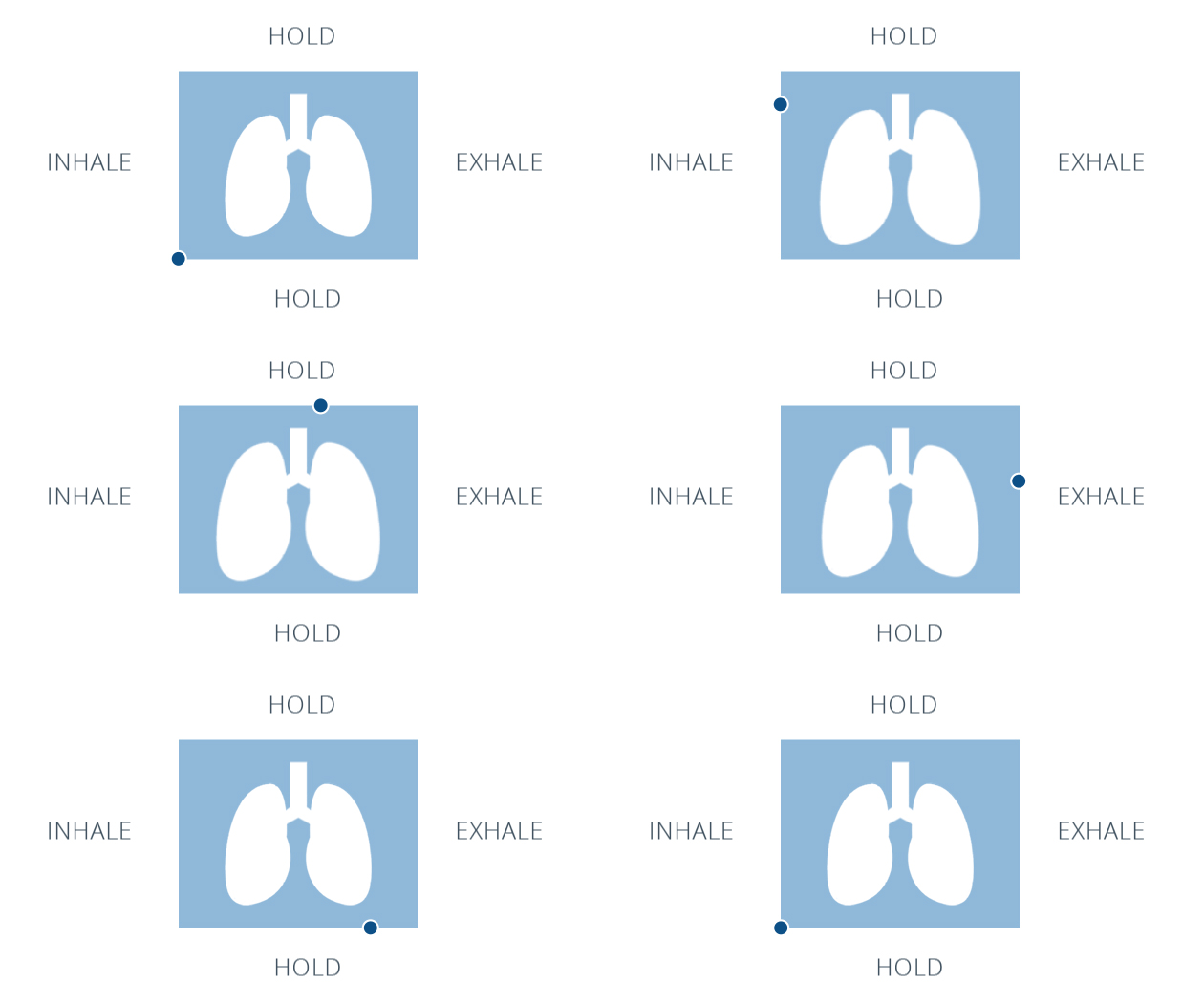
Calm down with some box breathing
.
Go all-in on this one, you won’t regret it!
And when you’ve done that a few times and loved it, try the big one:
LHF : Meditation
You can’t do meditation wrong. When I stopped trying it started working. If it feels like work, then it’s not really working. I heard the Danish musician Kasper Winding on a podcast saying that he felt he had been doing meditation wrong for 20 years(!), basically he just been doing more thinking upon thinking, rather than meditating. I found that pretty hilarious, because it hit me on a personal level. We are so used to achieving and performing, and meditation is the exact opposite of that;
But meditation is not about feeling in a certain way. It is about noticing what you feel. Meditation is not about taming the mind or making it quiet, although silence is actually deepened through meditation and can be cultivated systematically. Meditation is first and foremost about letting the mind be as it is, and knowing something about how it is right now. It is not about getting somewhere else, but about allowing yourself to be where you already are. If you do not understand this, then you are constitutionally incapable of meditating. But it is just more thoughts, and in this case, it is thoughts that are completely wrong.
Just sit down, close your eyes, focus on your breath, let the thoughts come and go. Sit for as long as you feel comfortable doing it. Maybe it’s only two minutes, maybe it’s 30 minutes, just see what happens. Don’t force it.

That’s it!
(but if you want, there’s more..)
Of course there is a lifetime of practice and philosophy and spiritual development you can add. Of course.
David Lynch was always raving about the amazing benefits of Transcendental Meditation. BUT not a fan of the setup where one have to do a special course to join.
I have practiced Kundalini Yoga which has meditation, chanting and breathwork as part of the practice. It was good, BUT not a fan of the quasi-religious huckster-ish back story of Kundalini.
I am convinced that walking meditation aka just taking a walk and paying attention to yourself and the surroundings has a lot to offer.
 ...
... 