
This is pure cinema, combining several great elements such as LEGO Blacktron, Kubrick, strong notes of Event Horizon, Dark City and perhaps inspiration from Phil Tippett’s ‘Mad God’. The glitchy retro-futuristic visual style, the eerie sounds, and the music create a sense that something dark and strange is happening beneath the rugged plastic surface.
Even the title ‘Echoes.of.a.Dreaming.Skull.VHSRiP.mkv’ is striking. These videos by Stanley Q-Brick deserve to have many more views. This is part three in a trilogy (see parts one and two). Watch it on a big screen, or at least in full screen.
Tag: LEGO
The Space Hotdog Incident
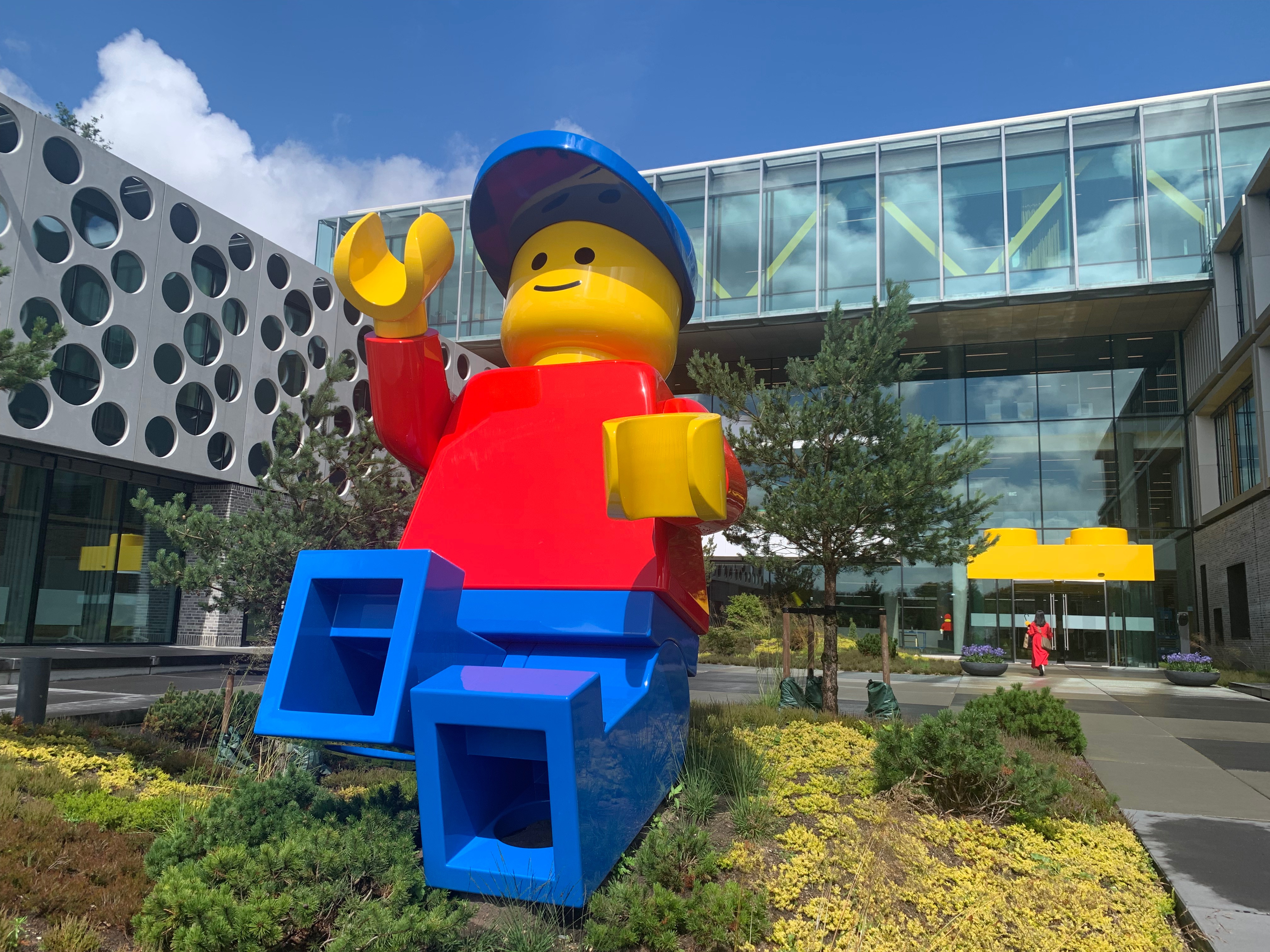
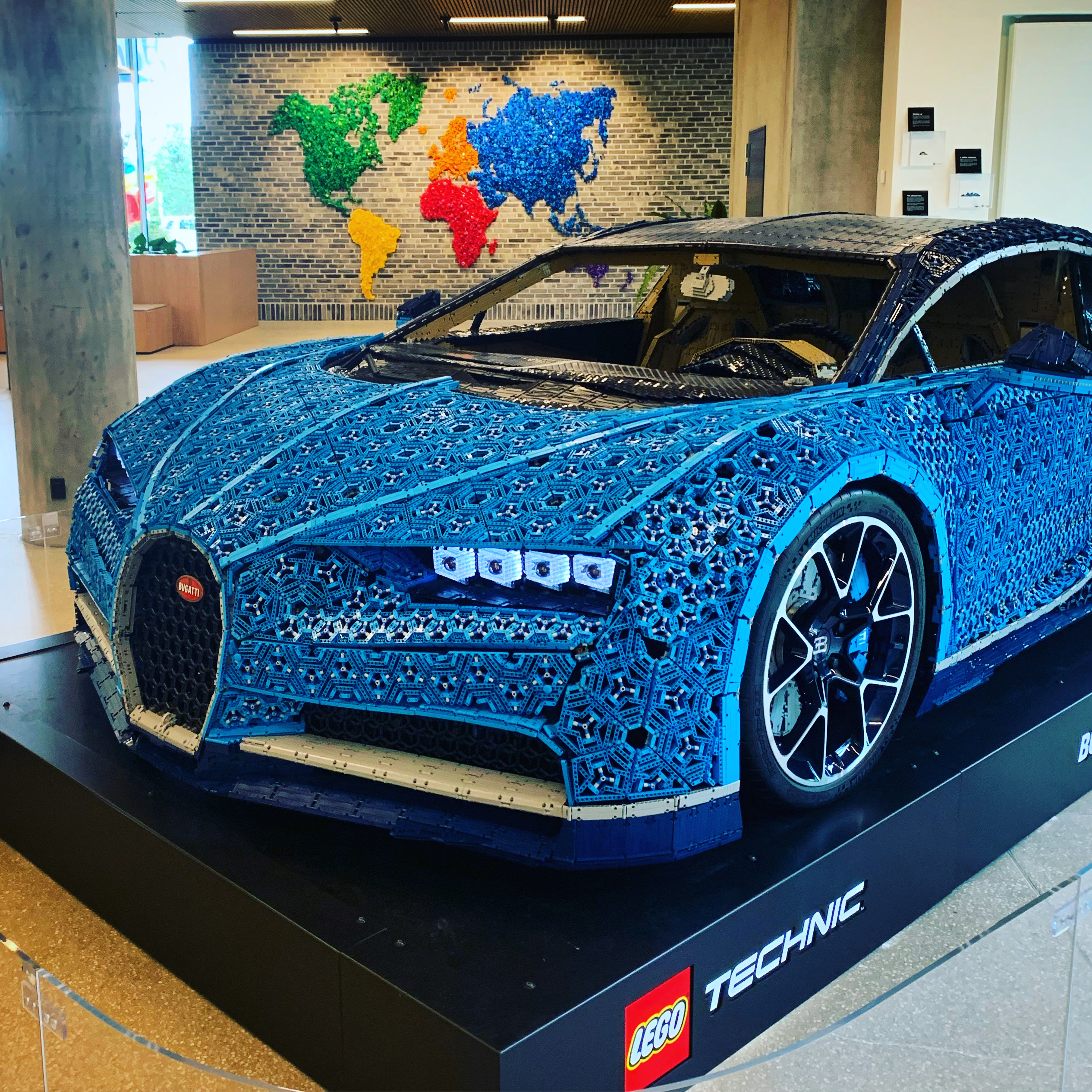
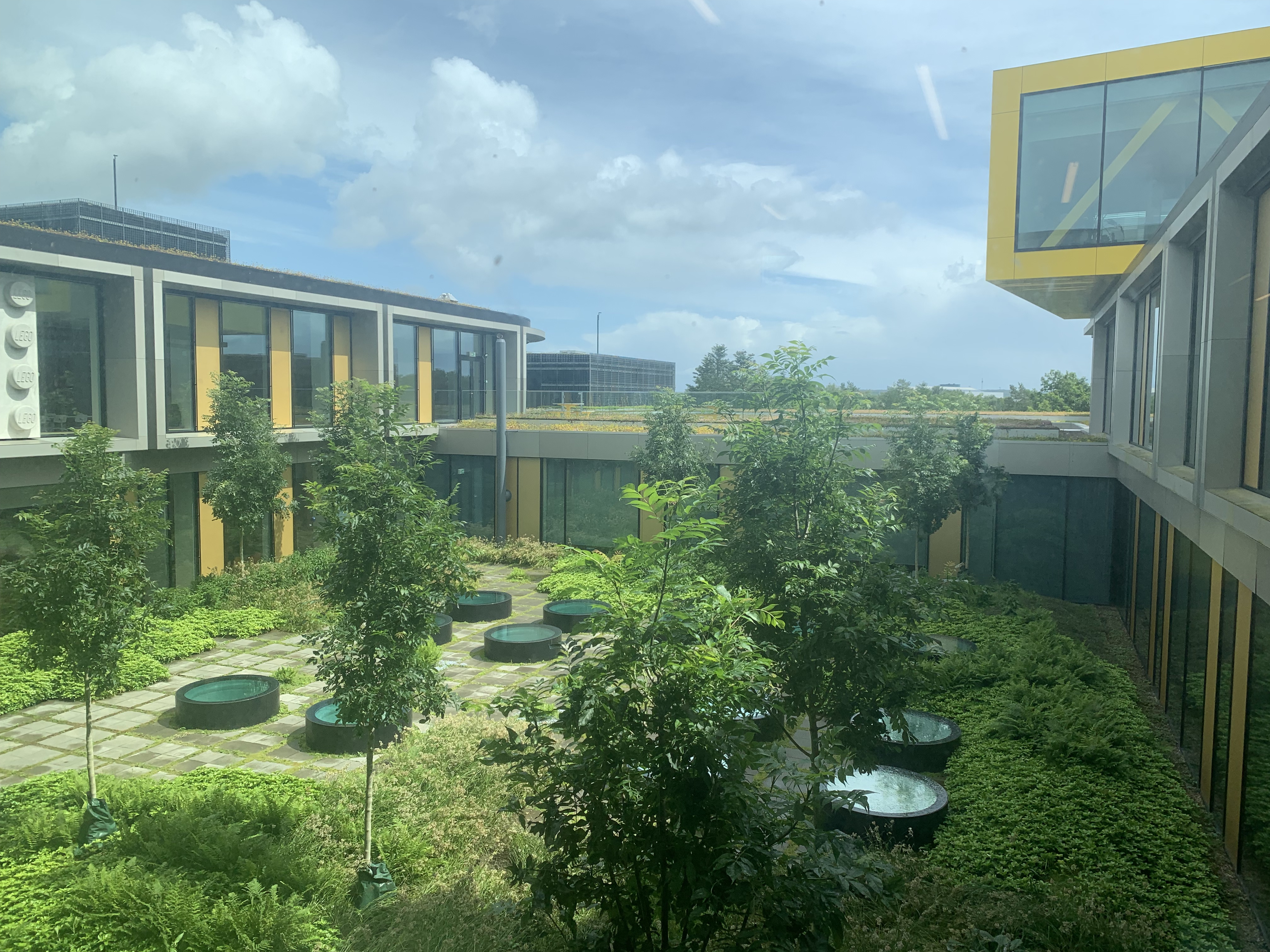
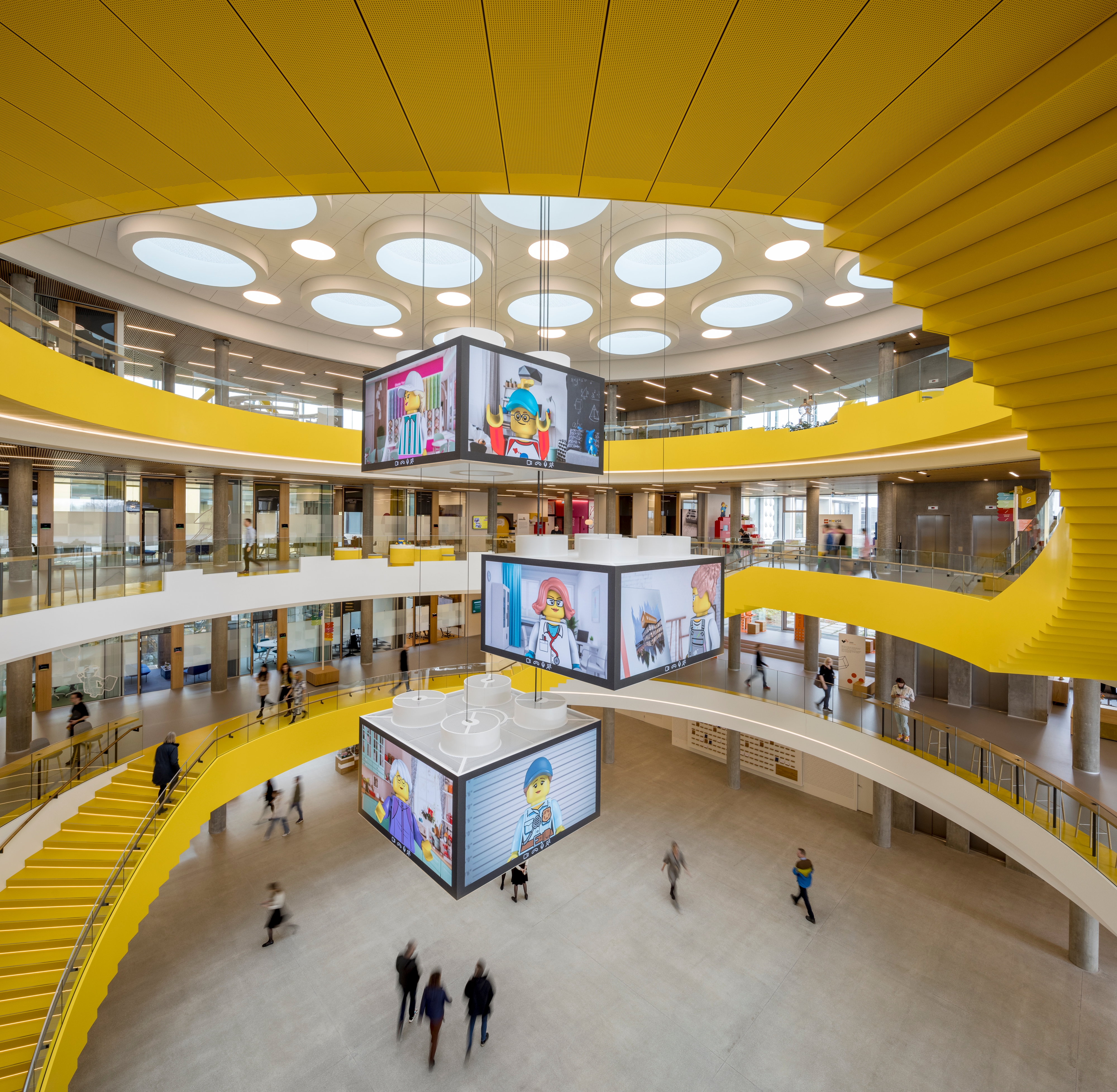
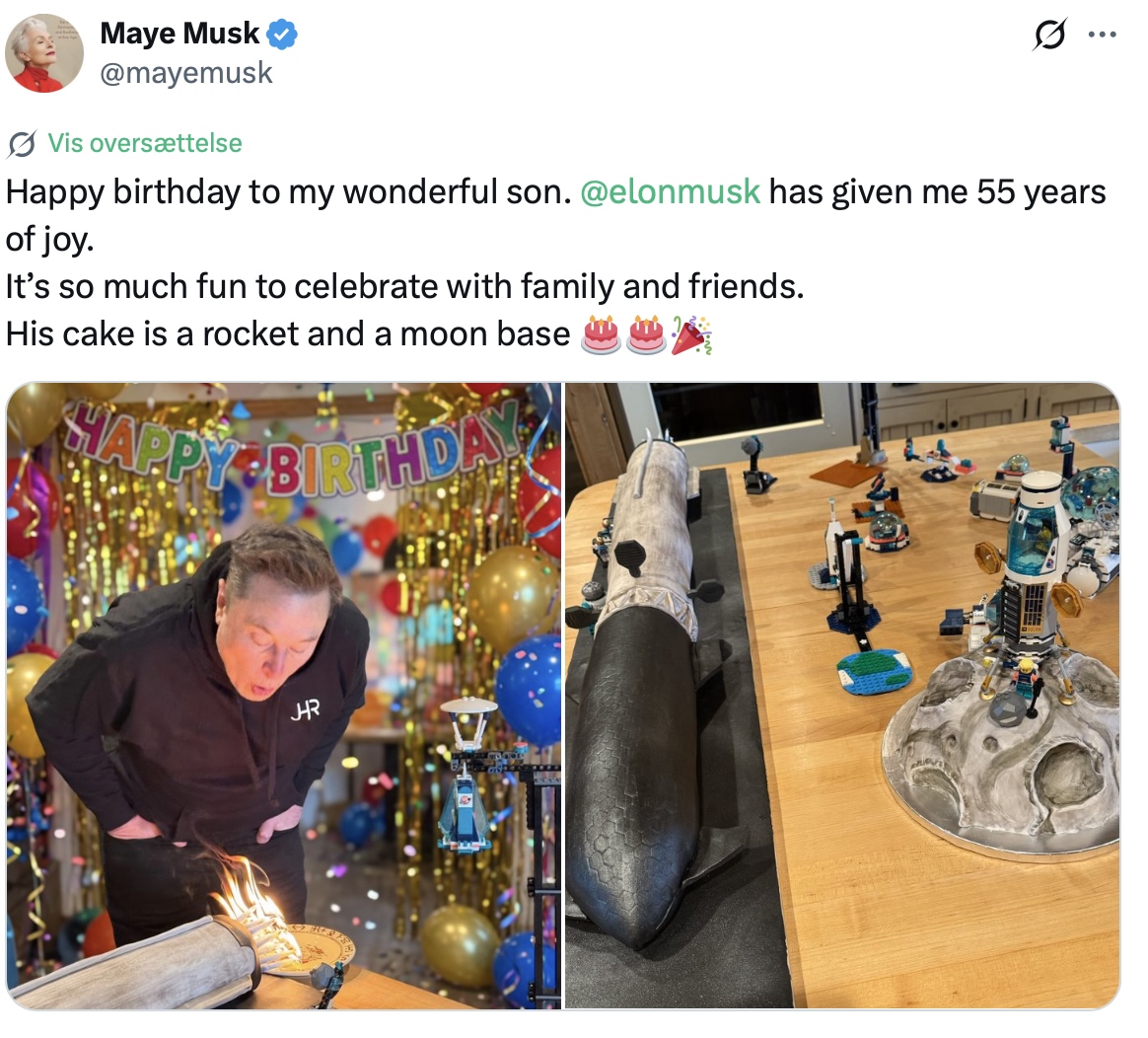
So exactly three years ago, I was sitting in the wonderful LEGO Campus and considering the best angle to shoot a LEGO hotdog into space. I was drinking excellent barista coffee and enjoying myself while working on a concept for a LEGO Education project (the boxes came out this year). I thought, “Here I am, back at the HQ, doing pretty much what I did when I started out in Billund decades ago: getting paid good money to consider the best angle for a hotdog to get into imaginary orbit. This is awesome!”. I felt a lot of gratitude to be able to do that. Such a privilege 🩵
A few thoughts on the LEGO Smart Brick

There are now more than one trillion LEGO bricks on the planet (yes, it’s true, look it up). I wonder what percentage of those bricks are actively played with? Quite a few are stuck on dusty shelves and in bins under the stairs. LEGO bricks are meant to be played with, and anything that can (re)activate bricks is great in my book. That’s one of the reasons to be excited about the 2×4-sized smart brick. Part of a system, but also something truly new.
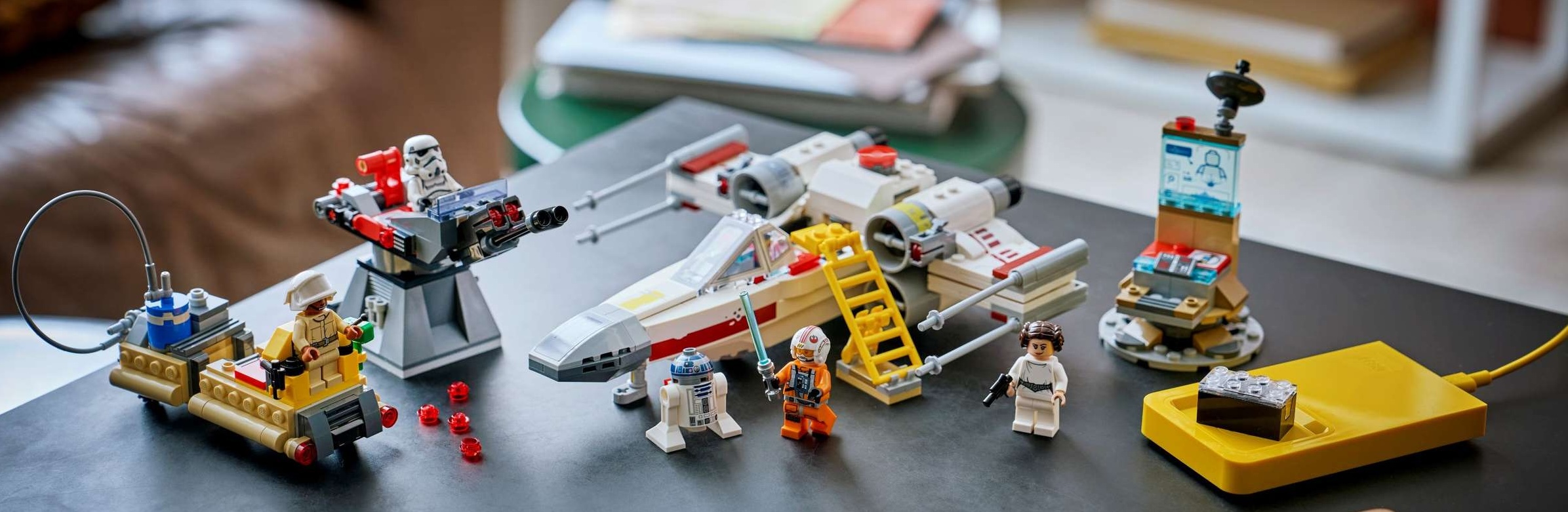
Looking at that X-Wing fighter makes me happy. It seems like a really fun and robust toy to be played with. A model that can be swooshed around and smaller minibuilds + characters. Tons of opportunities for free play and roleplaying, a microworld. And every part is exposed and playable, as opposed to all the so-called ‘smart toys’ which are often a kind of black box with some tech inside (and no longevity). I like all the mechanical, kinetic builds and tricks used to activate the smart brick in the Star Wars sets. The smart brick has to be physically moved to activate, and that is both banal and profound. It feels both novel and old school LEGO at the same time. I very much like that there are no screens involved. I once said (half-jokingly) that augmented reality play is great for all kids with three arms: two for playing and one to hold the phone. My thing is open-ended physical play, and it feels like the smart brick will support that well.
The smart mini figures are speaking a gibberish language similar to the one in the LEGO computer games. Would the product be better if it could produce perfect audio samples from the Star Wars movies? I would say a big no. I think the product has about the same resolution as LEGO bricks. A LEGO X-wing is not a perfect replica of the craft seen in the movie either; it has a different resolution and can, of course, be broken down into small pieces. Much of the critique of the LEGO smart brick sounds to me quite similar to the time when people were complaining about there being too many special LEGO pieces. That critique has pretty much gone away, but it was also quite silly back in the day. To this day, you are most welcome to buy a big box of classic 2 x 4 LEGO bricks; you can even build a Star Wars X-Wing out of those bricks. It will be clunky and in a different resolution, but no one is stopping people from doing this. Same goes for the smart brick. And the current sets are targeted at kids from 6 to 9 years old, so perhaps also let them have a go and decide? That is not to say that the brick will automatically be a success in the market, far from it. But I’m confident that the smart brick will stay around for a long time if the economics behind it make sense. Of course, if LEGO is losing money on each set and if the smart brick does not result in increased sales of traditional bricks and engagement, then it will be killed off eventually to make shelf space for more profitable products. But I could see a market for more creative, interactive toys. The majority of the so-called smart toys are incredibly bad, with no real longevity or lasting play value.
The platform and the tech, as they stand now, are surprisingly close to the concept presented to the team I was part of some five years ago. Impressive! I can easily imagine the many prototypes, pivots, compromises, Teams meetings, and long days along the way. But the core concept is intact, including the positioning system, as described in the “Saved by the bell” section of this behind-the-scenes story. I have absolutely no insider insights into this, but I’m guessing that the smart brick roadmap is long and wide, and I sincerely hope LEGO has the patience to let the system unfold over a long period of time.
Godtfred Kirk Christiansen (creator of the original LEGO brick) was known to go down on his knees in product meetings, literally, in order to see (and try) the prototypes from a child’s perspective. This is still sound advice and worth remembering. To me thay is still the core LEGO experience. Godtfred would probably have liked smart bricks (perhaps initially sceptical, but I’m guessing he would have been amazed by the new, old 2×4 smart brick. Star Wars probably not so much – he was not so big on “battle play” 🙂
My first boss at LEGO, Jens Nygaard Knudsen (inventor of the minifigure), once remarked that lights were more important than sound, because kids could make their own sounds while playing with LEGO – but kids can’t do lights. I’ve always thought that was both hilarious and true. So back in the 80s we had the 9V Light & Sound system, and I designed a LEGO Space Police set (6781) that only had blinking lights, no sound (that sound brick was incredibly expensive). I’m sure kids will continue to supplement the smart brick sounds with their own. And I also strongly suspect that Jens too would have loved the smart brick if he were still here.
It was the first project for me where remote work was not just an option, but necessary (there was some COVID around at the time). It was also an a-ha moment for me to see how well that worked – most of the time probably more effective than being in the same room. Such a great team, full of talented people who could execute quickly. Sometimes we would literally start with a blank slate on Monday morning and end up with a working prototype to play with on Friday. It was great, and sometime I miss being part of a team like that.
For me personally, it was a huge pleasure to build actual, physical LEGO models again — lots of fun. I did a few runs to the local Føtex to get bricks (at the time it was faster than going to locked-down Billund), but I also took a deep dive into my own vault for materials. So some of those model prototypes literally contain elements from my childhood (and my kids’ childhood as well). Not many products in the world can do something like that. The system works.
Note: I haven’t yet played with the final products, but I’m hoping to do so before too long.
Hundred years of Bang & Olufsen
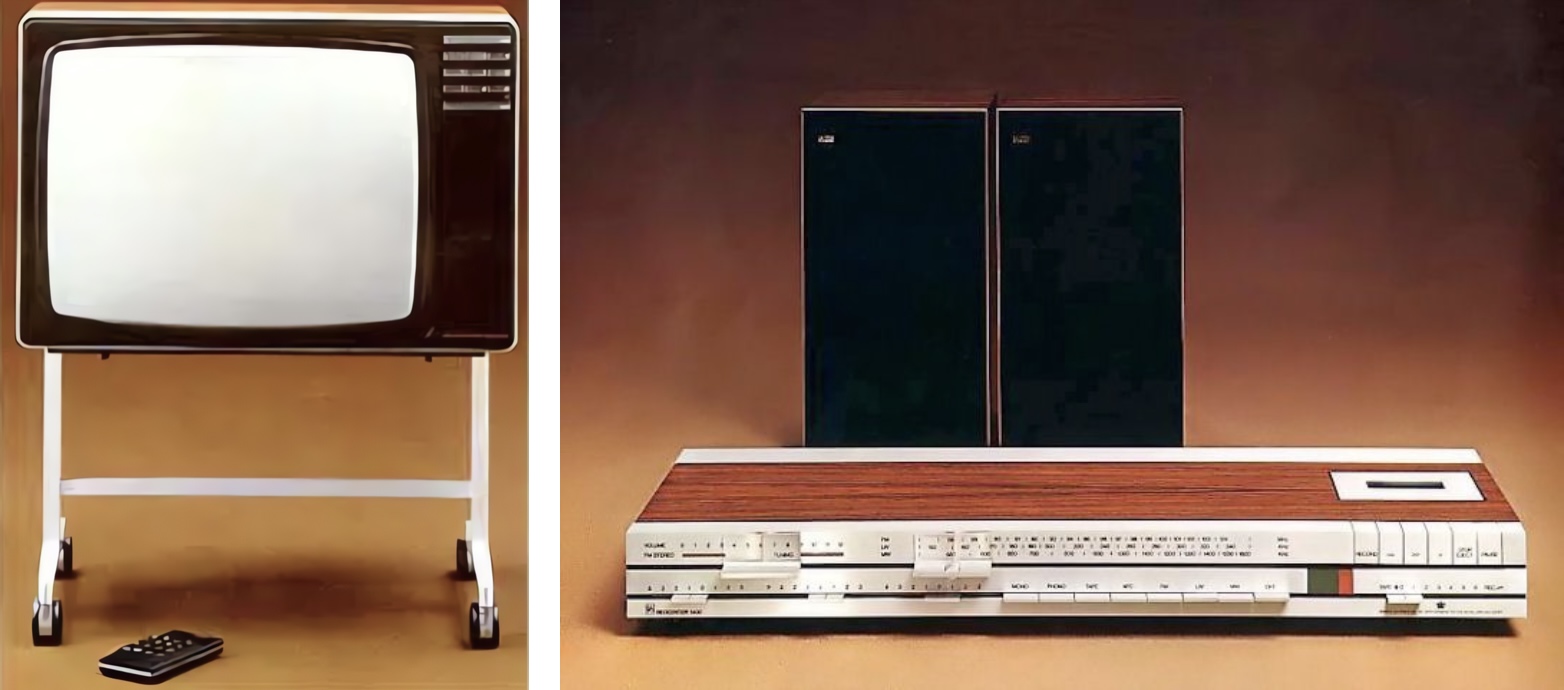
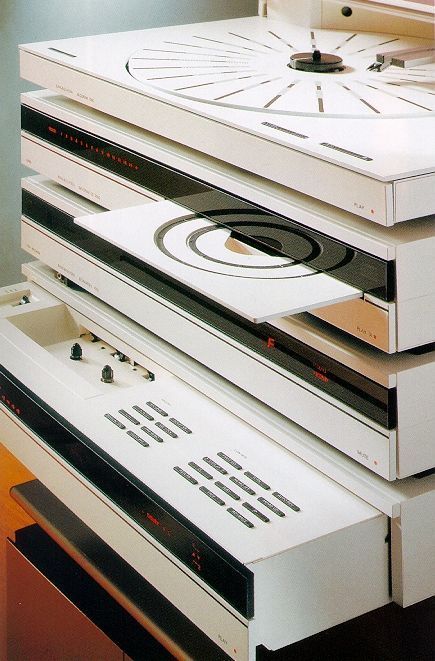
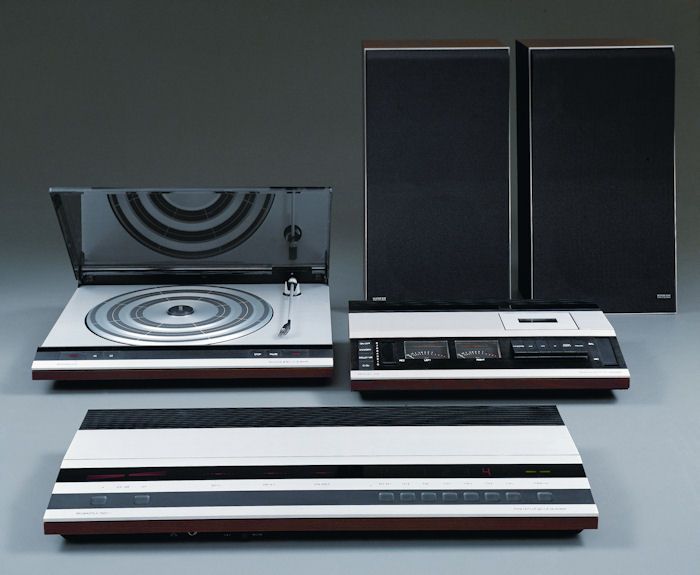
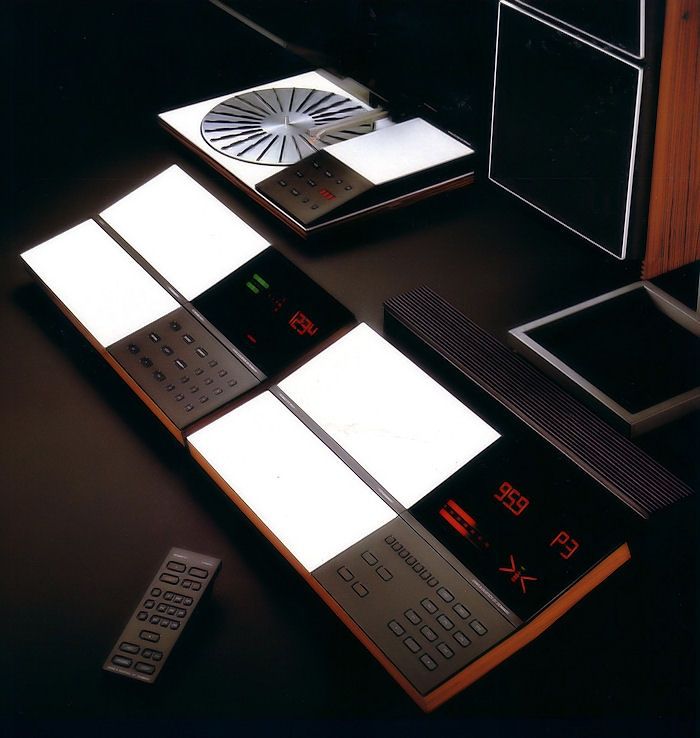
Besides a certain toy company, Bang & Olufsen is surely the Danish brand closest to my heart. Today the company turns 100 years old, quite a feat, especially in the field of electronics. When I grew up in Denmark, B&O was not a luxury brand, but very much a household name, their products found in many ordinary Danish homes. I remember my dad purchasing a 24″ B&O color TV in the mid-70s; if I recall correctly, the price was around 7000 DKK (40,000 DKK in 2025 prices). That TV lasted for many, many years. All the money from my confirmation went into buying a pre-owned Beocenter 1400 + loudspeakers. As a kid and teenager, I was inspired and fascinated by the clean, futuristic-looking products that were so utterly different from all the Japanese hi-fi equipment at that time (and today for that matter).
I remember the legendary B&O designer Jacob Jensen doing a talk for us LEGO designers in Billund sometime in the 80s. He said he liked our spaceship designs if we could just get rid of those pesky ‘warts’ (studs) that were everywhere on our designs! Back then, the LEGO and B&O companies were of similar sizes; today, the latter is a dwarf compared to LEGO in terms of market position and revenue (75 Billion vs 2.5 Billion DKK).
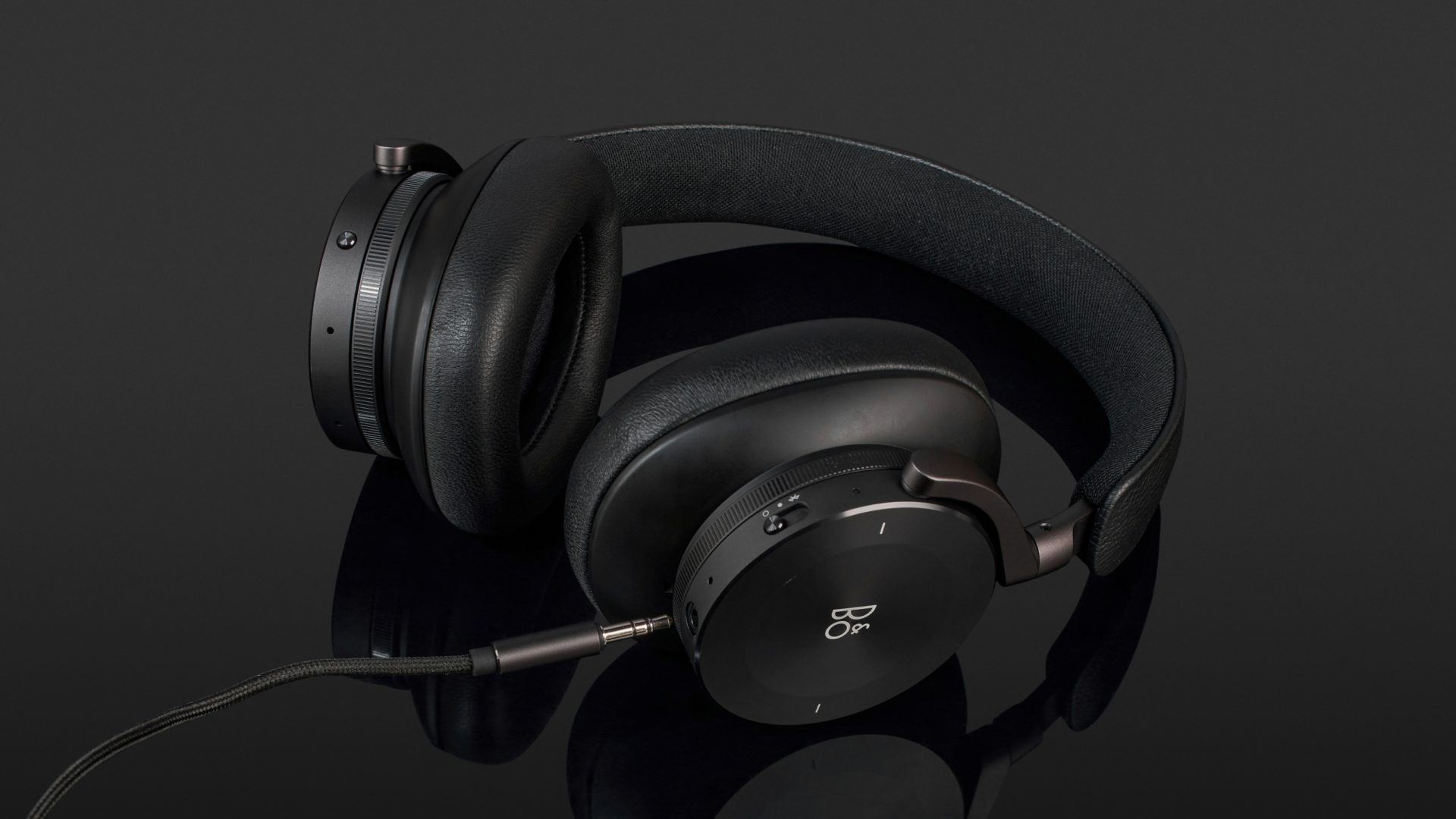
Today, some of the B&O products feel more like expensive jewelry for houses and apartments in Dubai and similar tacky places. But their cheaper streaming loudspeakers and headphones are great and offer quite good value for money. I have done some concept work for B&O, which was an aspiration for me, both for the core brand and some early work on what was to become Beoplay. Today, I own two products from Struer, a Beolit 15 portable loudspeaker and those most excellent Beoplay H95 headphones, a real joy to use. The software could be better, but the build and the sound quality are very, very good.
So happy birthday to Bang & Olufsen, here’s to another 100 years. Here are a few of my favorite beoproducts:
(Many more on my Pinterest board)

Space
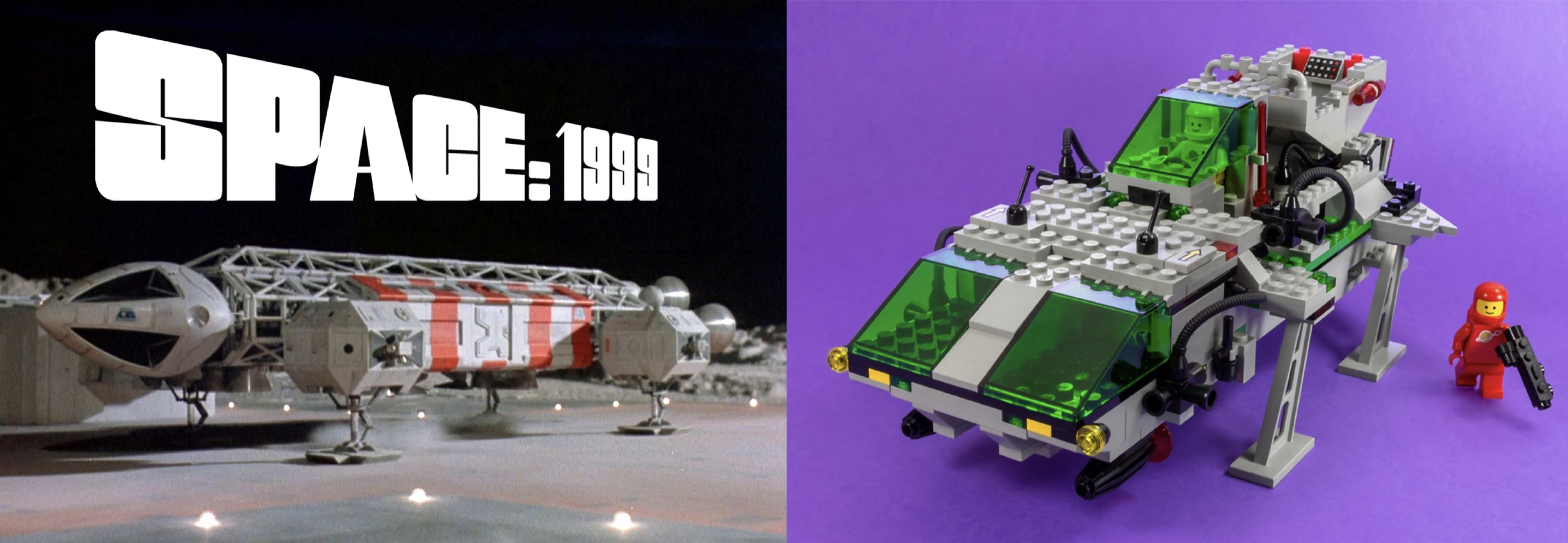
Space is my favorite word. As a kid, my favorite TV show was Space: 1999. It inspired me a lot; I built the Eagle spaceship out of LEGO elements, which later helped me land my very first job as a LEGO Space designer in Billund. For my application, I designed a spaceship that took many cues from the Eagle (my favorite spaceship of all time; watch out for the Eagle documentary). Later on, in the 90s, I taught concept development at the Space Invaders education program in Aarhus. I’m also a big fan of the Open Space process for group work. Oh, and my favorite movie is 2001 – A Space Odyssey.
The concept of space holds so many connotations and possibilities. Never forget that you have power over your personal space, both your physical and mental space. You can give others space but even more beautifully – you can hold space for another human being. And there is still plenty of space, virtually infinite amounts. Later, I will write about my favorite place, the Liminal Space. So all I can say is watch this space!
Piece by Piece
As someone who loves both LEGO and Pharrell Williams, it will come as no surprise that I really liked the animated biopic “Piece by Piece“. Pharrell has had a hand in most of the mainstream pop I like from the last 20+ years. I like most of his own work, with one big exception; I really, really can’t stand his massive 2013 hit “Happy“; it makes my skin crawl. But otherwise, he seems like a really nice and cool guy. Certain people seem to have no age; David Bowie comes to mind, and Pharrell is in the same category. He was born in 1973, but listening to him speak and sing, he could be 32 for all I know. And making an autobiography as a $16 million LEGO animated feature film is a crazy idea. But it totally works. They shot all the celebrity interviews the traditional way and then animated the LEGO characters to the soundtrack (great fun to see Snoop Dogg, Gwen Stefani, Jay-Z, Kendrick Lamar, Missy Elliott, Busta Rhymes and many others as LEGO minifigs).
And speaking about the movie with Rick Rubin, Pharrell says something interesting here: “I needed to see myself objectified first to write about myself.” So basically, he had to watch himself as a LEGO minifigure before he could create a song about his own life (the catchy ‘Piece by Piece‘ theme song from the movie).
Here’s the trailer; needless to say, if you are not into Pharrell, it will be a fairly boring movie, even if it is visually quite interesting and some of the jokes are good. One fun aspect is that Pharrell has synesthesia, meaning that he sees music and beats visually in his mind. This is brilliantly done with little LEGO builds in the movie, would have been hard to pull off in a more traditional documentary. Oh, and of course there is an official Pharrell LEGO Spaceship set you can get.
Spring hits different in Denmark
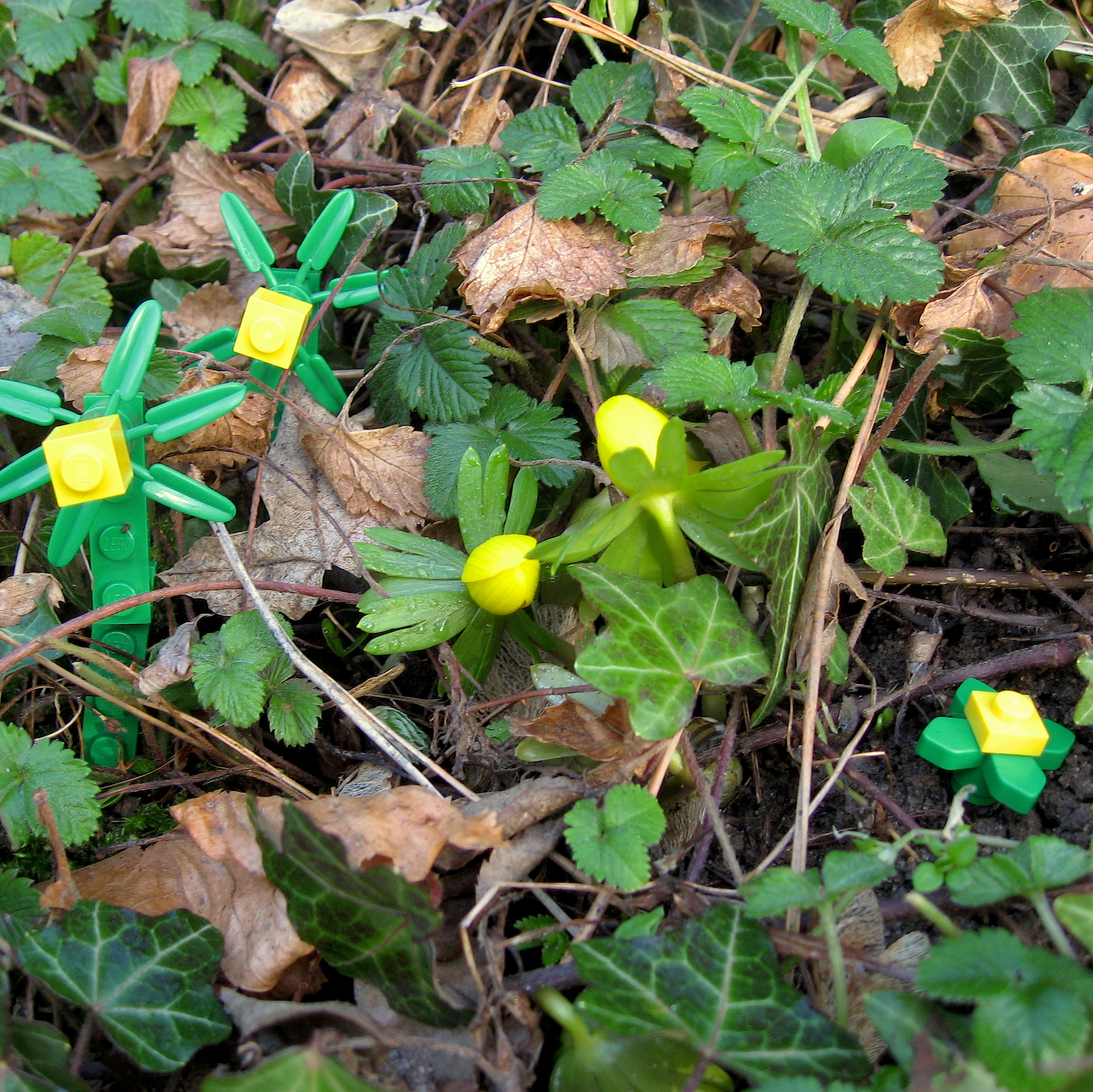



Nature is healing. Sun comes out. Things grow 🌱
My favorite LEGO Instagrammers
One of the great things about the LEGO product is that there are always new surprising ways to build. And I’m still amazed on a regular basis when looking at AFOL accounts on Instagram. Here in rapid succession a few faves:
JK Brickworks – Amazing moving mechanisms with style and humor.
Doubleking – One word: Seatron! Some deep cuts there.
Tips & Bricks – Cool mini reviews and infographics.
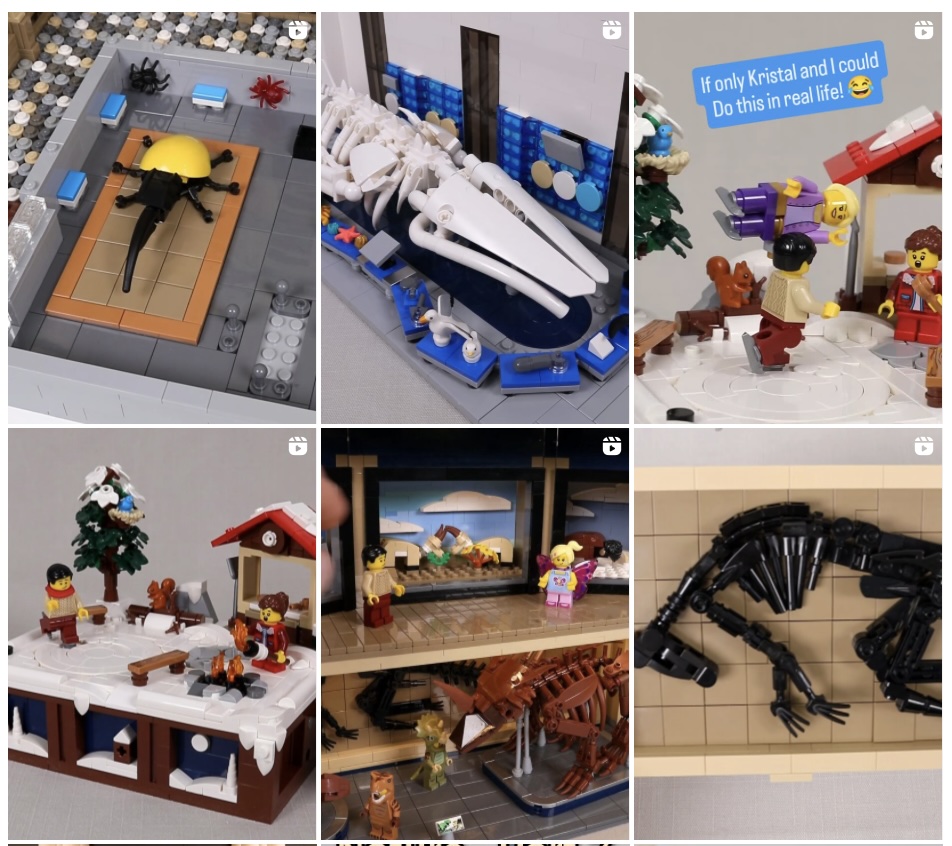
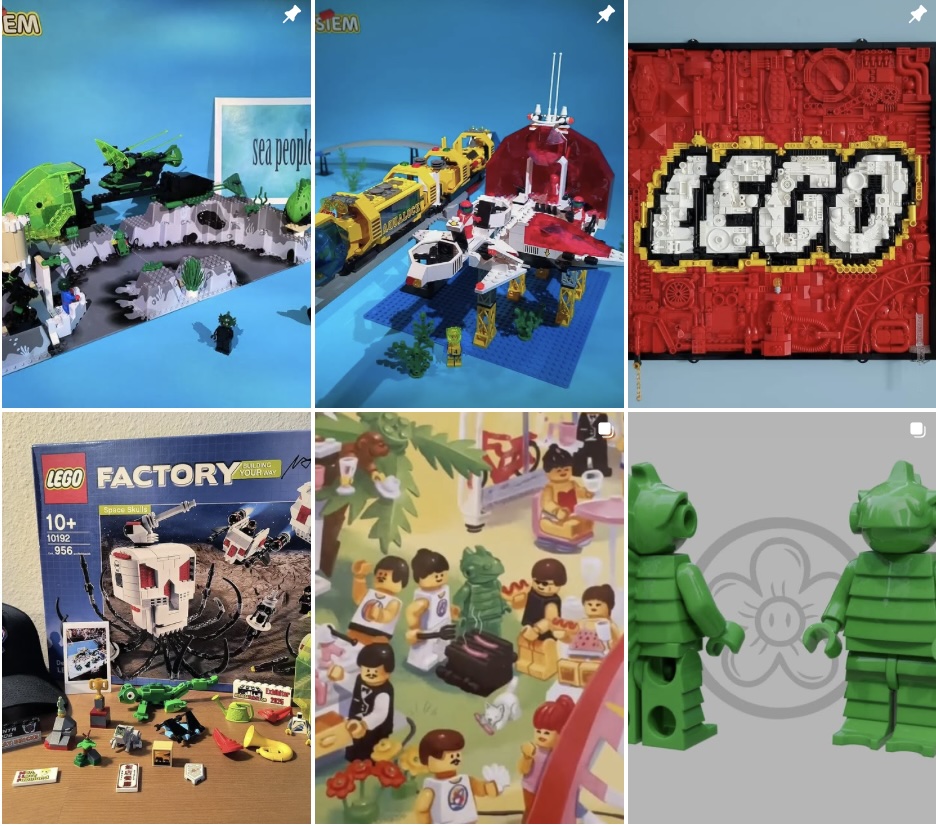

Brothers Brick – Oldie but goldie. (the blog is still great)
Brickleas – The models and the photography is outstanding.
Cosmic Brick – Flawless recreation of alternate builds etc.
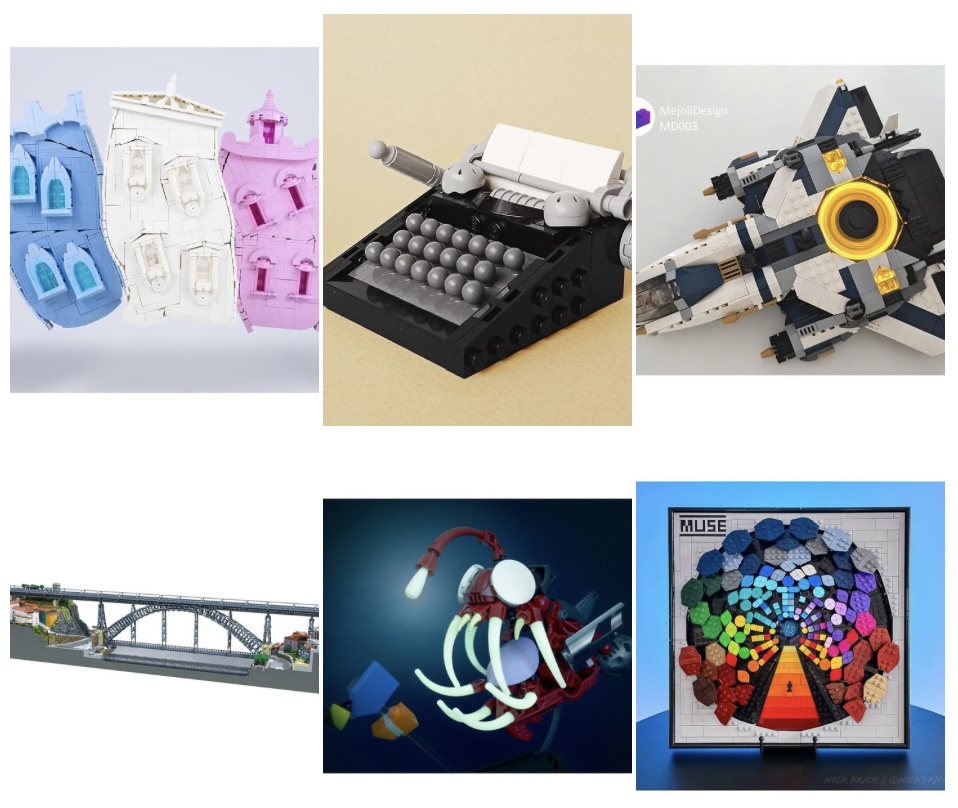
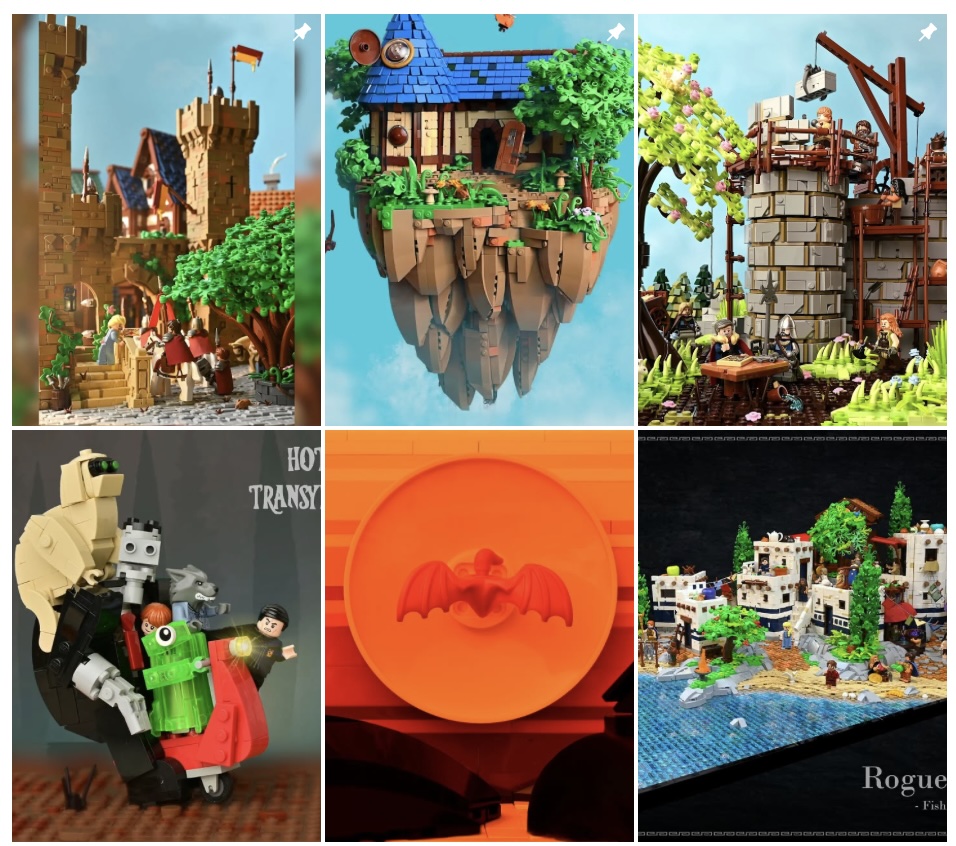
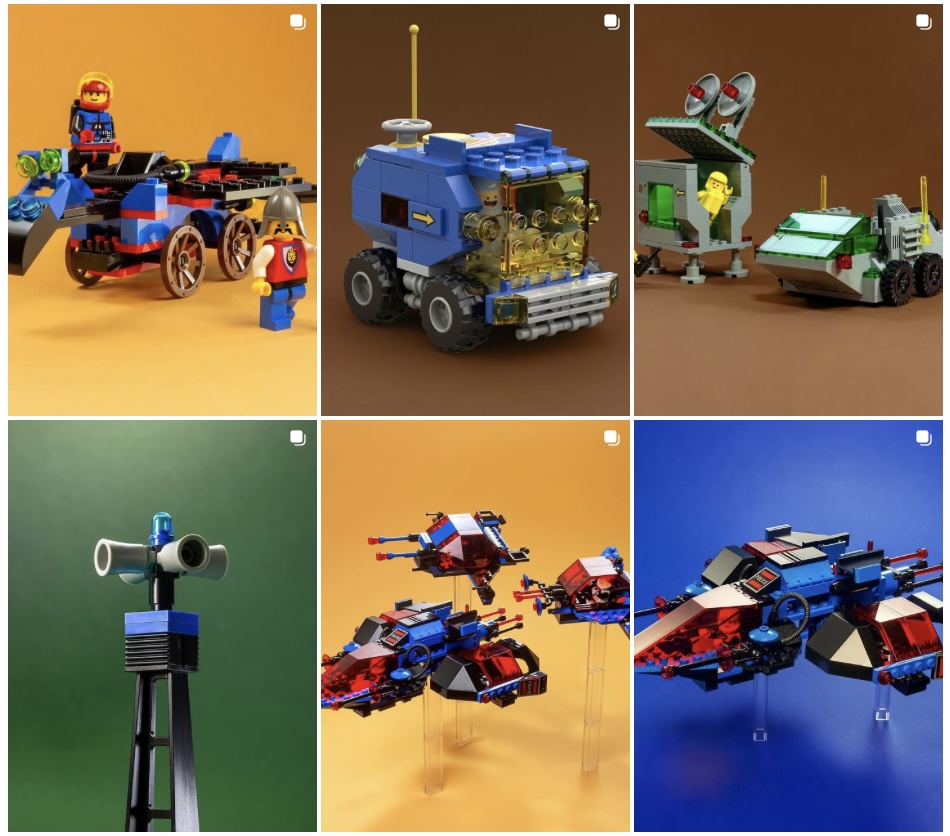
Brickstalgic – Outstanding builds, often smaller charming builds.
Avanaut – Great photography and style, also non-LEGO models.
legobuilds (sic) – Newish official AFOL account, solid retro content.



There are many other great ones for a future post. What are some of your favorite LEGO people on Instagram? Share in the comments.
The curious case of the 1875 Meteor Monitor
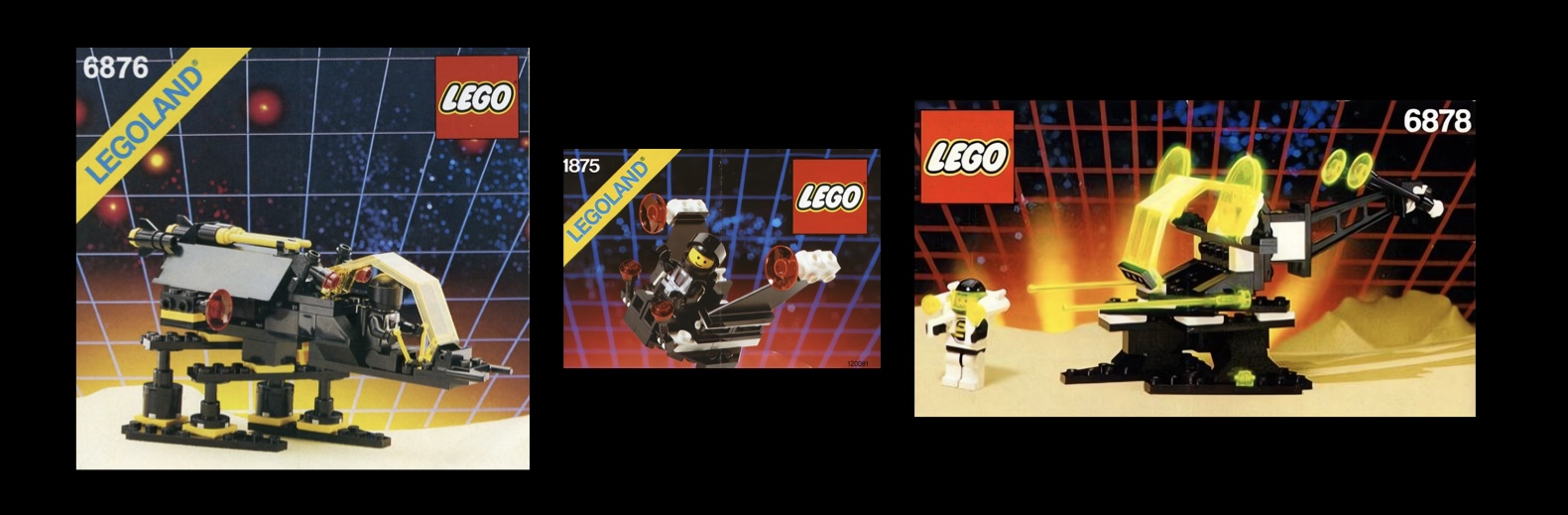
The LEGO Space set 1875 Meteor Monitor came out in 1990, in between original Blacktron and Blacktron II. It was part of a ‘Bonus Pack’ and I only have very faint memories of designing it. BUT since there has been quite a bit of speculation regarding the curious color scheme of this set, let’s dive into that..
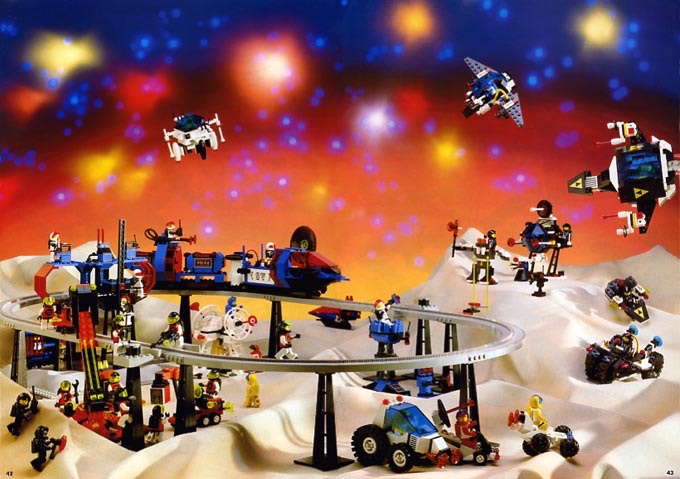
The original Blacktron sets had done very well sales-wise, so there was to do a sequel of sorts. The consensus, however, was that Blacktron felt too aggressive, so the brief was to tone the darkness down while maintaining the cool factor. And I do recall spending some weeks (or was it months?) trying out different designs and color combinations. One of the better ones had little rainbows embedded in the models (five 1×2 plates stacked to form a tiny rainbow, probably inspired by my love for the ZX Spectrum home computer I used a lot in the early 80s). The boss of my boss said at the time that it was a clever way to tone down the agressiveness of Blacktron, but it didn’t make the cut. Rainbows did not have any particular symbolism in the early 90s by the way 🌈
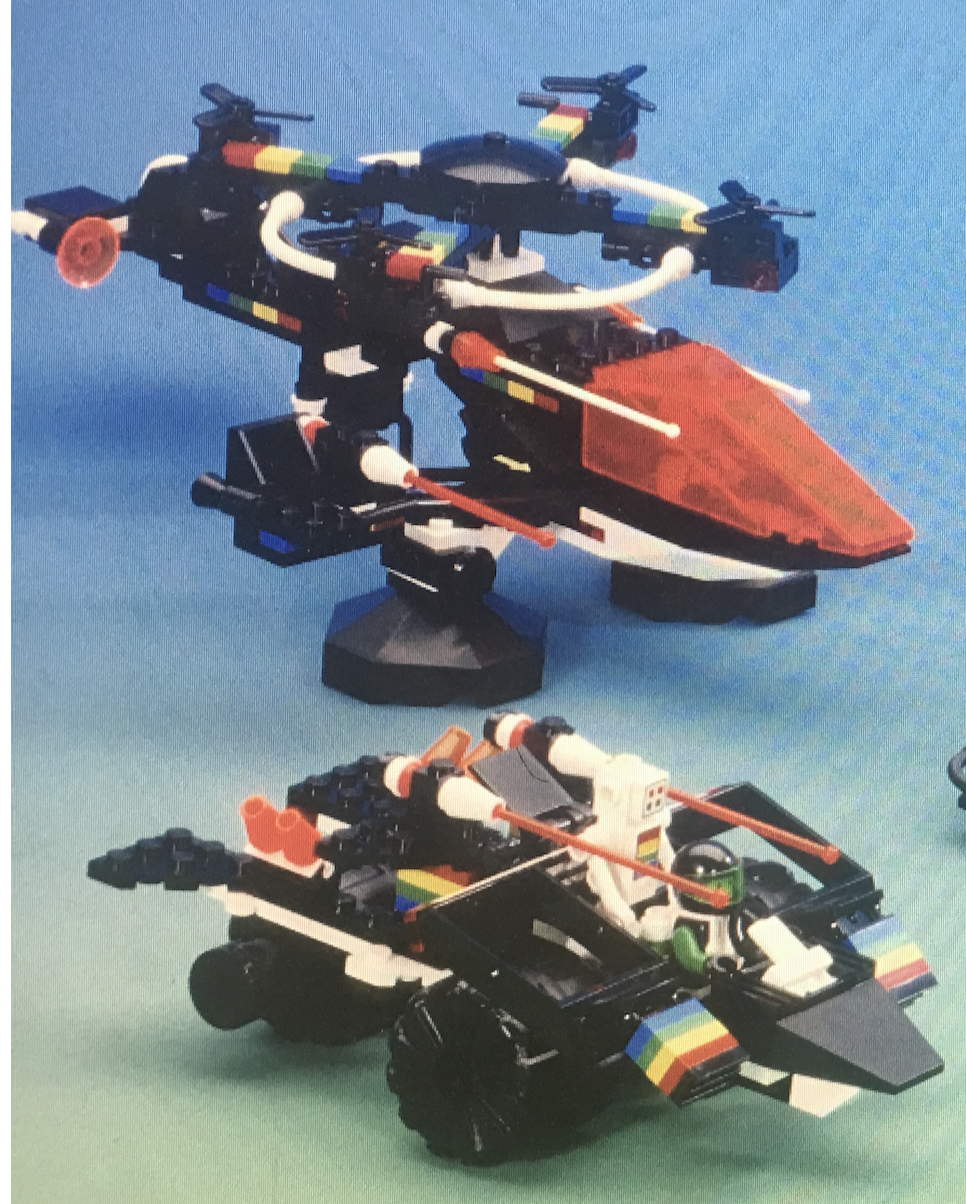

Another combo I tested was black and white elements + orange transparent (the orange trans was later used in the Ice Planet range). Having designed models for the Idea Book 260 may also have inspired as it also mixed and matched Futuron and Blacktron colors. And designing promotional sets was also a bit like having free playtime; the pressure was off, so to speak. And it was often an opportunity to be a bit more playful and casual regarding the design. And the brief to design the Meteor Monitor probably came by my desk in the same time period as the Blacktron color experiments. It is hard to recall the exact thinking behind the choice of colors, but having worked on the new color combos may very well have caused me to make it black and white as a kind of easter egg, signaling things to come. Blacktron 1.5 of sorts. Wish I could say it was 100% on purpose, not sure about that. But it’s a fun little set, bit of a hybrid/bastard colorwise but I like the shape of it. And several fans have fixed the color ‘error’, so there..
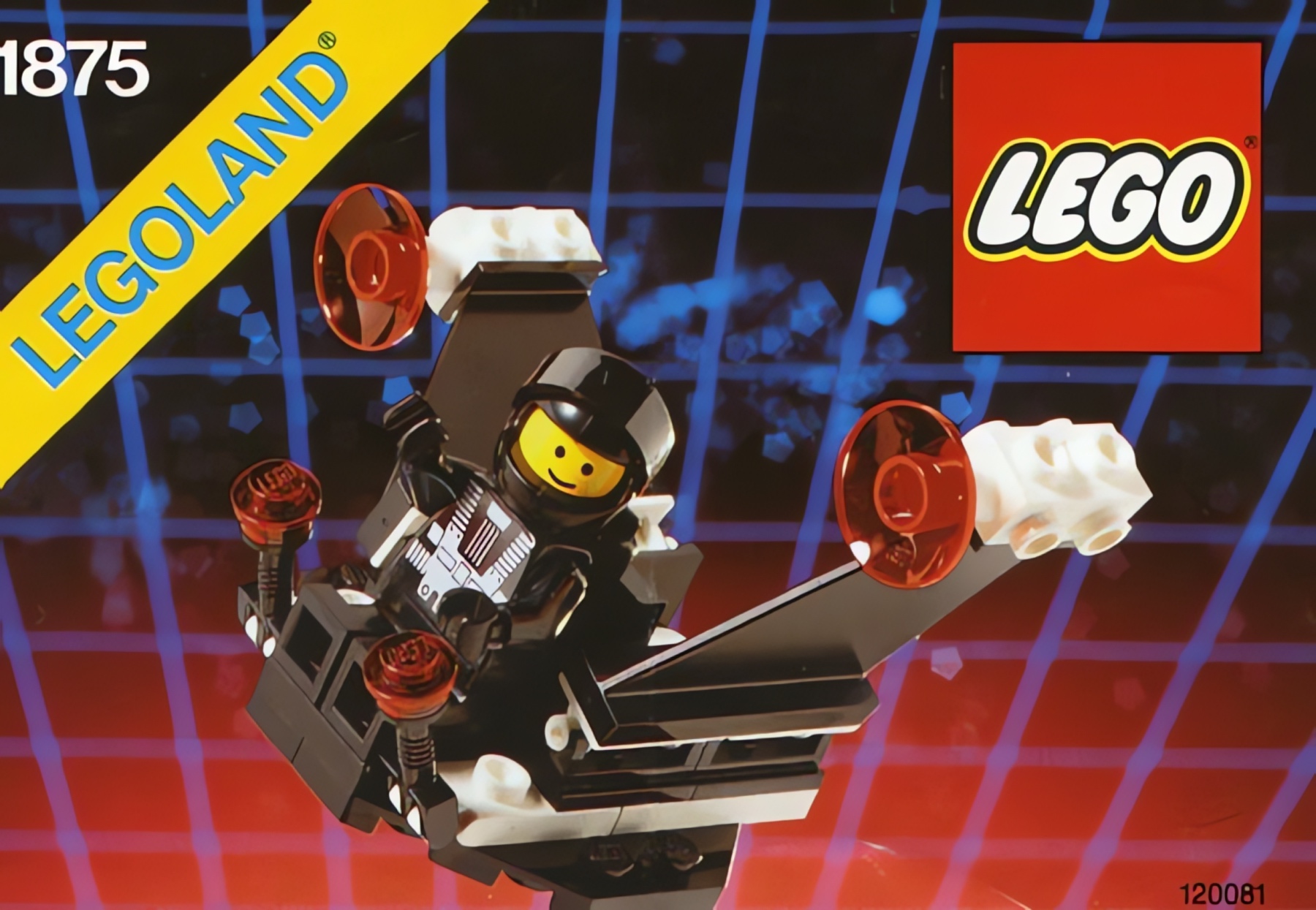

Fun fact: I don’t own this set myself. Normally, the designer of a set was given one copy at launch, but more often than not, promotional sets slipped through the system. And it’s a bit expensive to buy it now.
For more 1875 fun, watch this video by R.R. Slugger:
My Top 7 LEGO Space sets
Just because, my all-time favorite LEGO Space sets. I will do another top 7 on spaceships too, one with my fave LEGO elements,, and maybe one with smaller and more quirky sets. The sets are in no particular order, except for the top one..
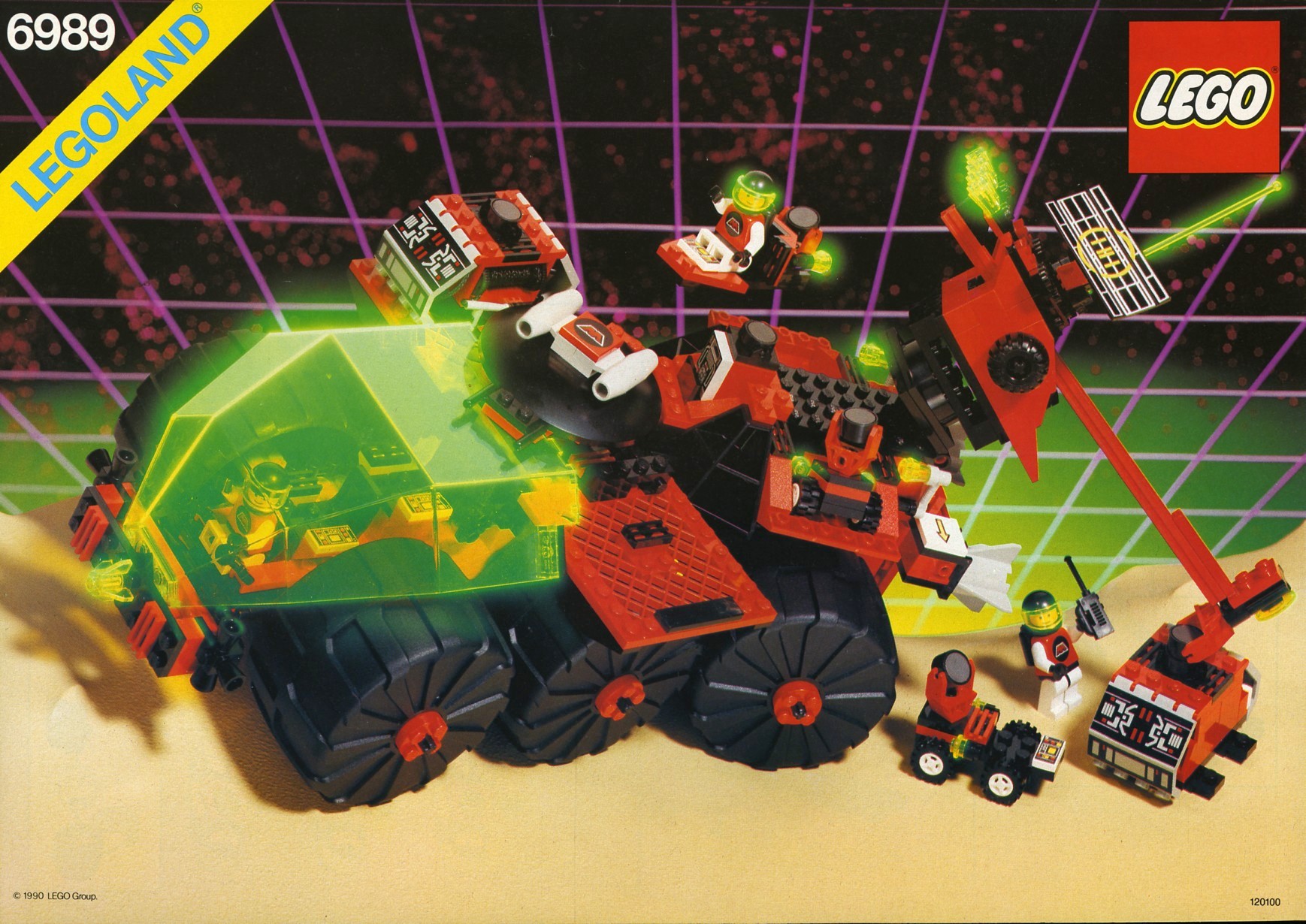
The 6989: Mega Core Magnetizer is, to me, the best LEGO Space set ever. Why? First of all, it’s a vehicle, not a spaceship. Designed by the late and legendary Jørn Thomsen, it has all of his signature moves: great functions, steering, and clever use of elements. Just look at it. Using old LEGO train magnets in LEGO Space was Jørn’s brilliant idea—great stuff. Making such a huge model robust and playable was a feat in itself.
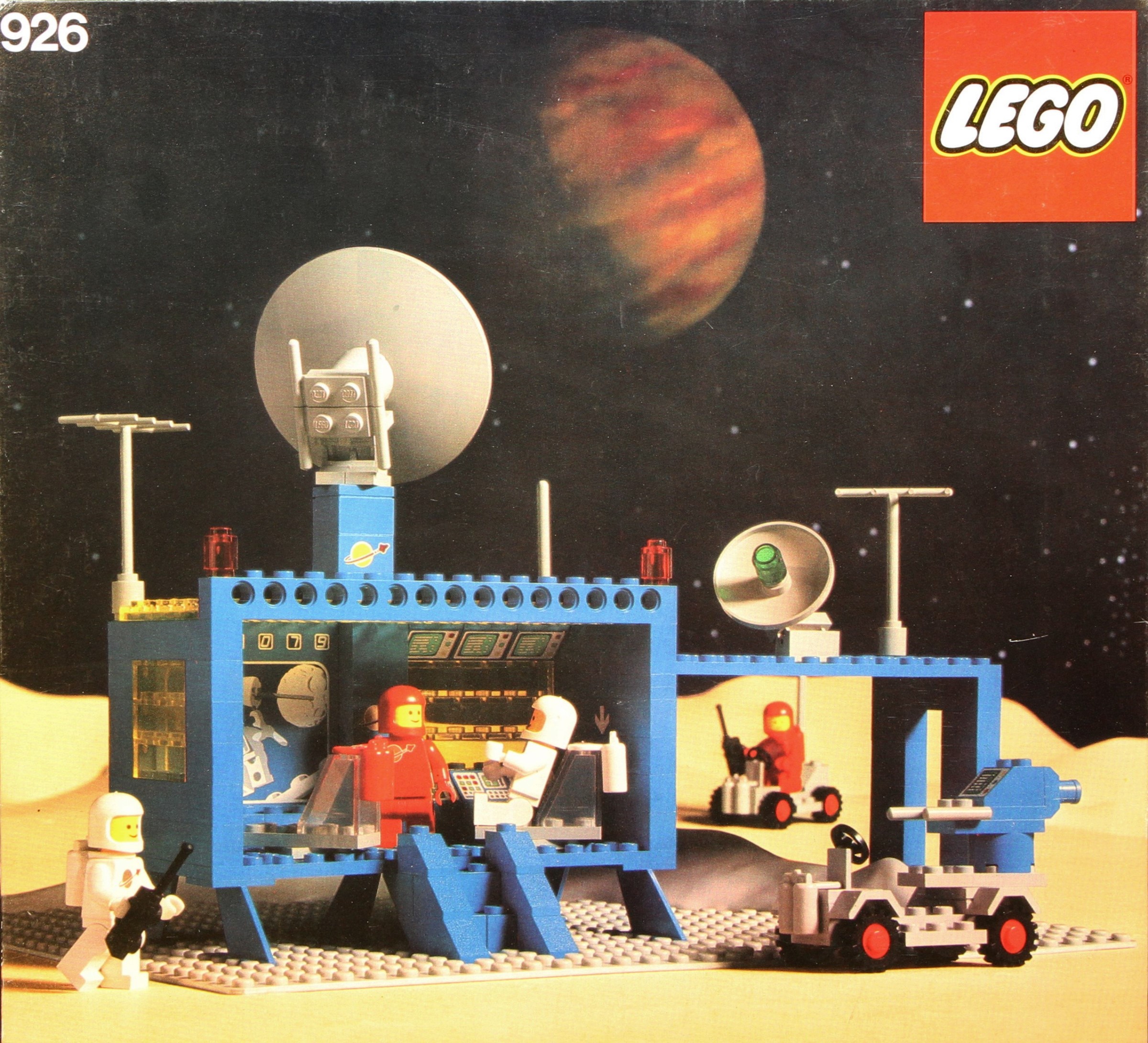
Always had a fondness for the 926: Command Centre for some reason. The simplicity and clean design of the early Classic Space sets will always be charming, especially this one from 1979. Pay attention to the old school TV antennas and the large decorated element displaying a live(?) feed from space. Very nice! The set includes four minifigs, which is quite generous.
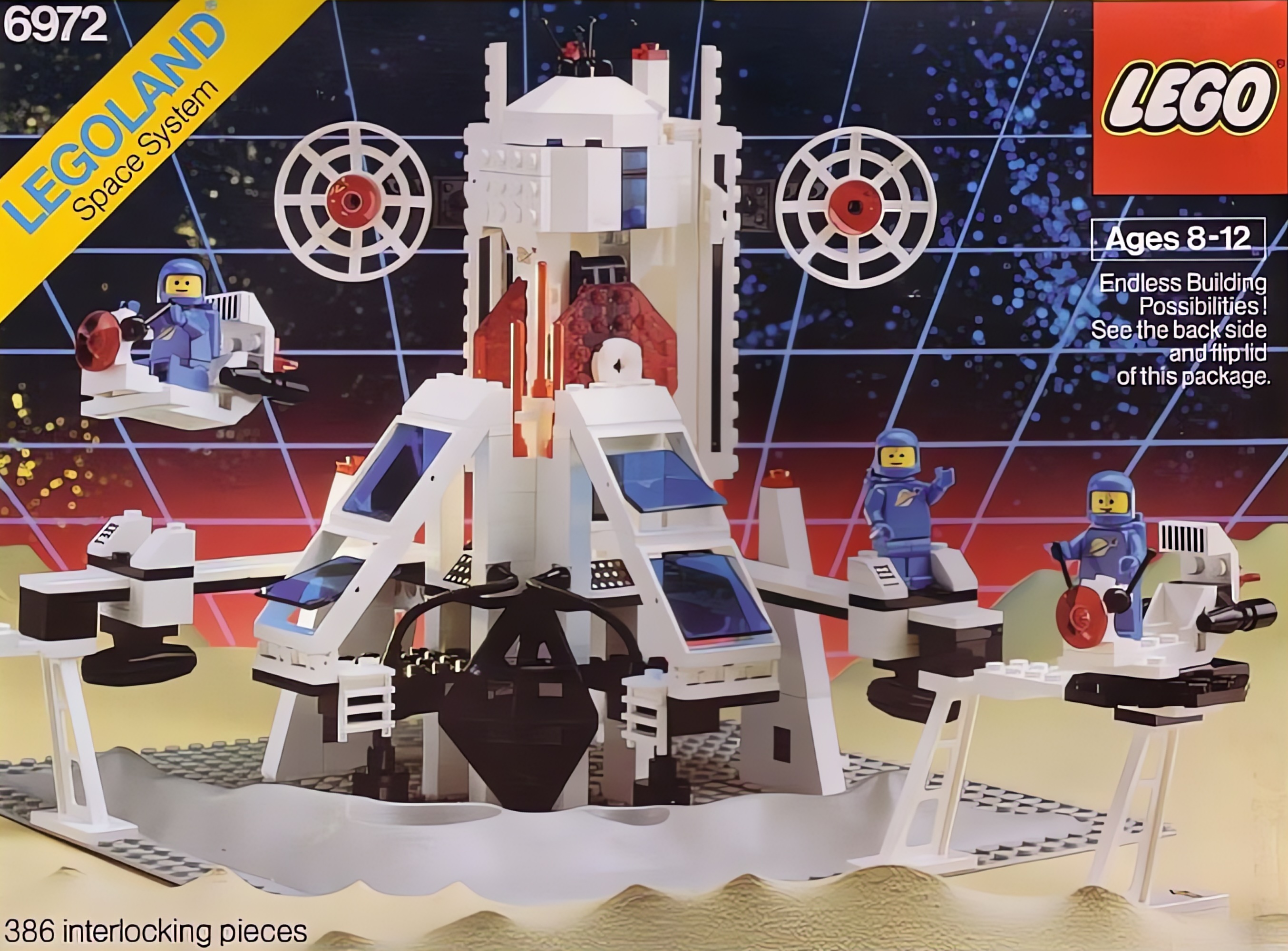
Next up, another base; 6972: Polaris I Space Lab. From when I started at LEGO, I was a fan of Carsten Michaelsens designs and this one is a unique gem. Probably the only set being symmetrical at a 45 degree angle, very stylish and clean design with distinct black and white areas. Great use of the classic crater baseplate. Basically Futuron just before Futuron was a thing.
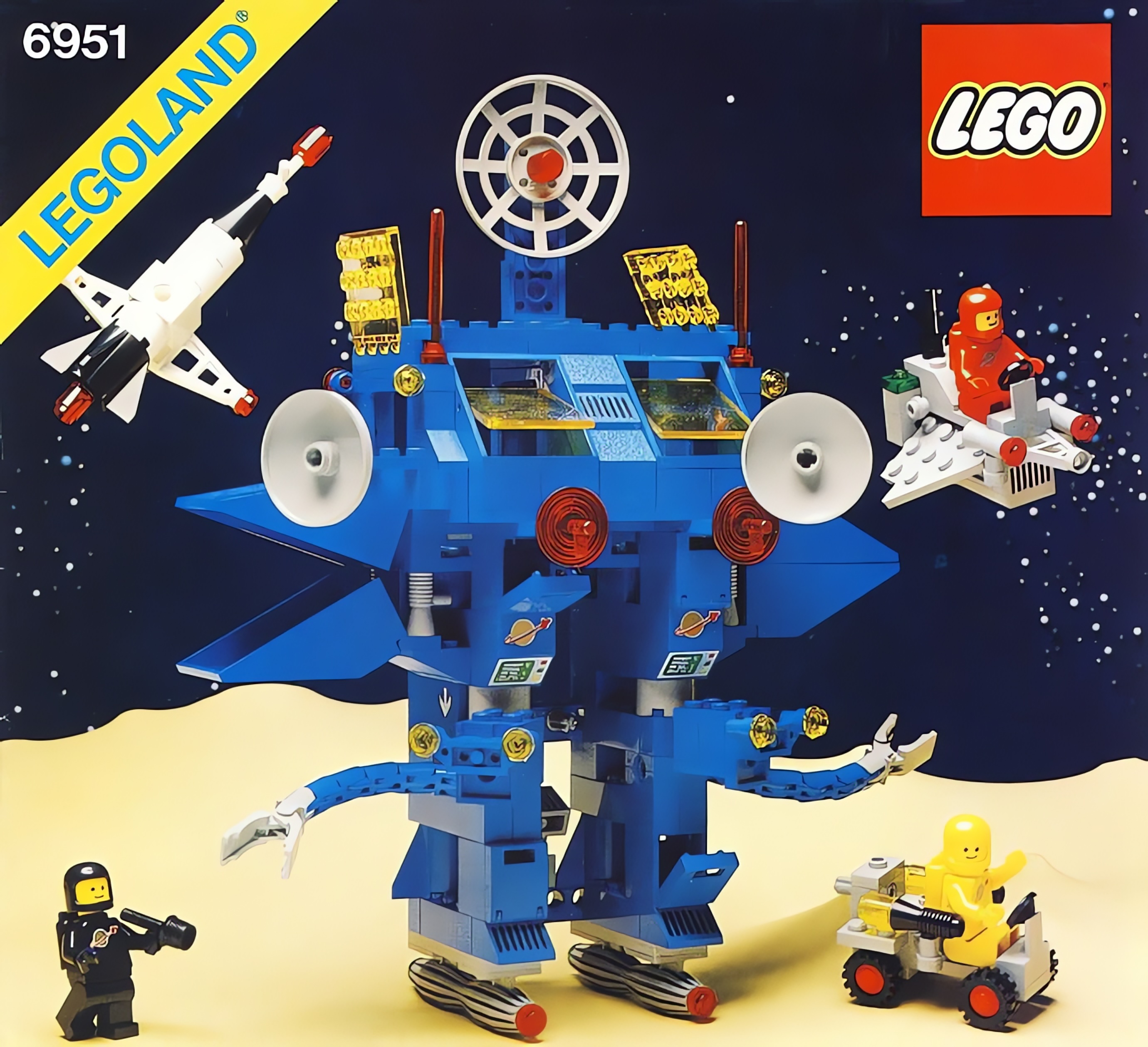
This one is a bit special 6951: Robot Command Center. What is it, a stationary robot, a mobile base, a house? Who knows, maybe Jens Nygaard Knudsen did (I’m guessing he designed it). Like abstract art, strange and quirky, love it!
Oh look, it’s the6940: Alien Moon Stalker. The naming of LEGO Space sets will be a topic for a separate post, who came up with those? Just look at it stalking and walking, like some mutated AT-AT with missiles in the belly. Brilliant. The leg walking mechanism was used several times, also by me, notably in the Blacktron Alienator.

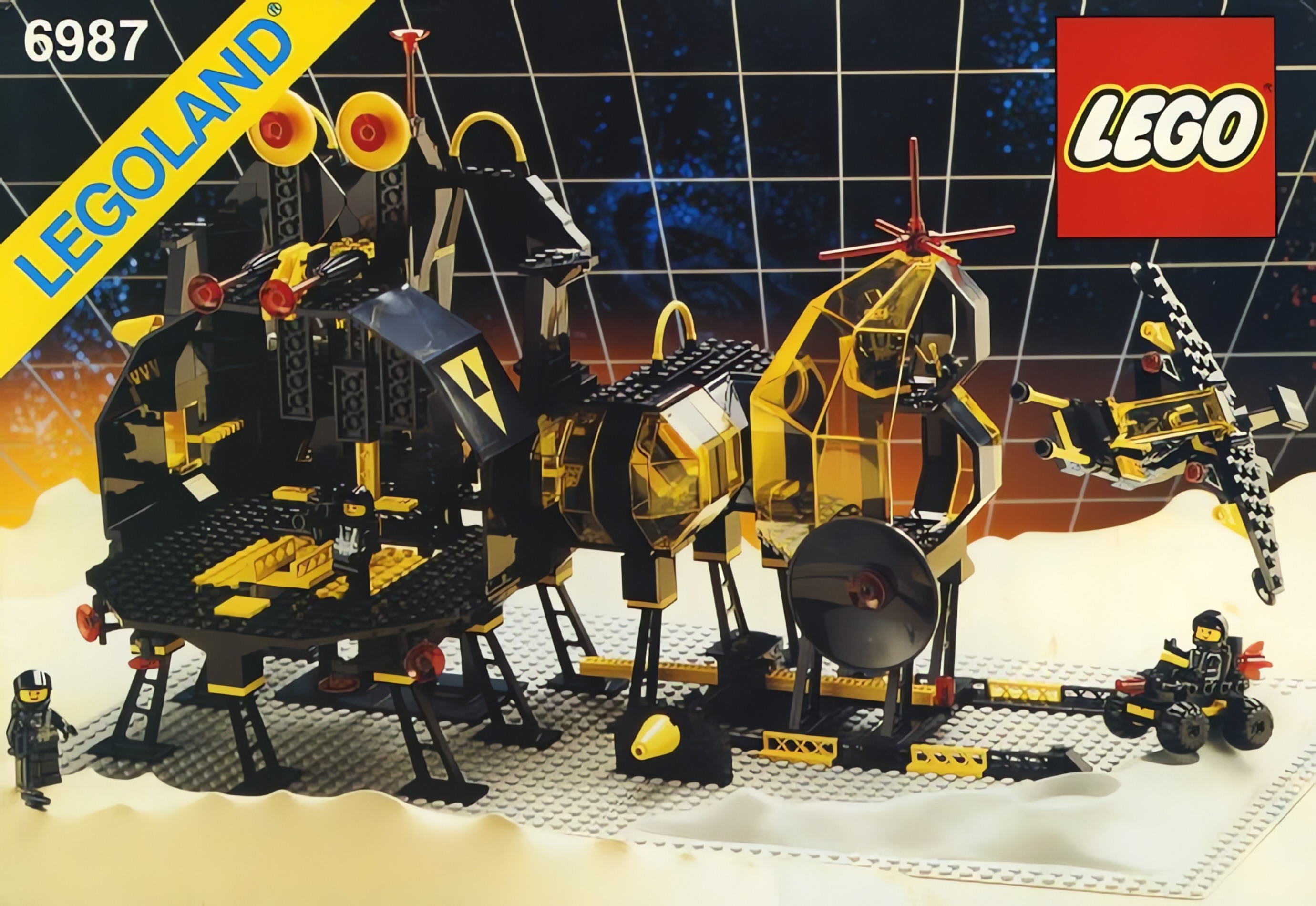
Gotta have some Blacktron, and 6987 Message Intercept Base by Daniel Krentz is a wild one. He was really into designing buildings, mostly castles, but this one goes hard. I designed the little spaceship and the vehicle. Also, the roof opening mechanism was sampled from 6953 designed by yours truly.
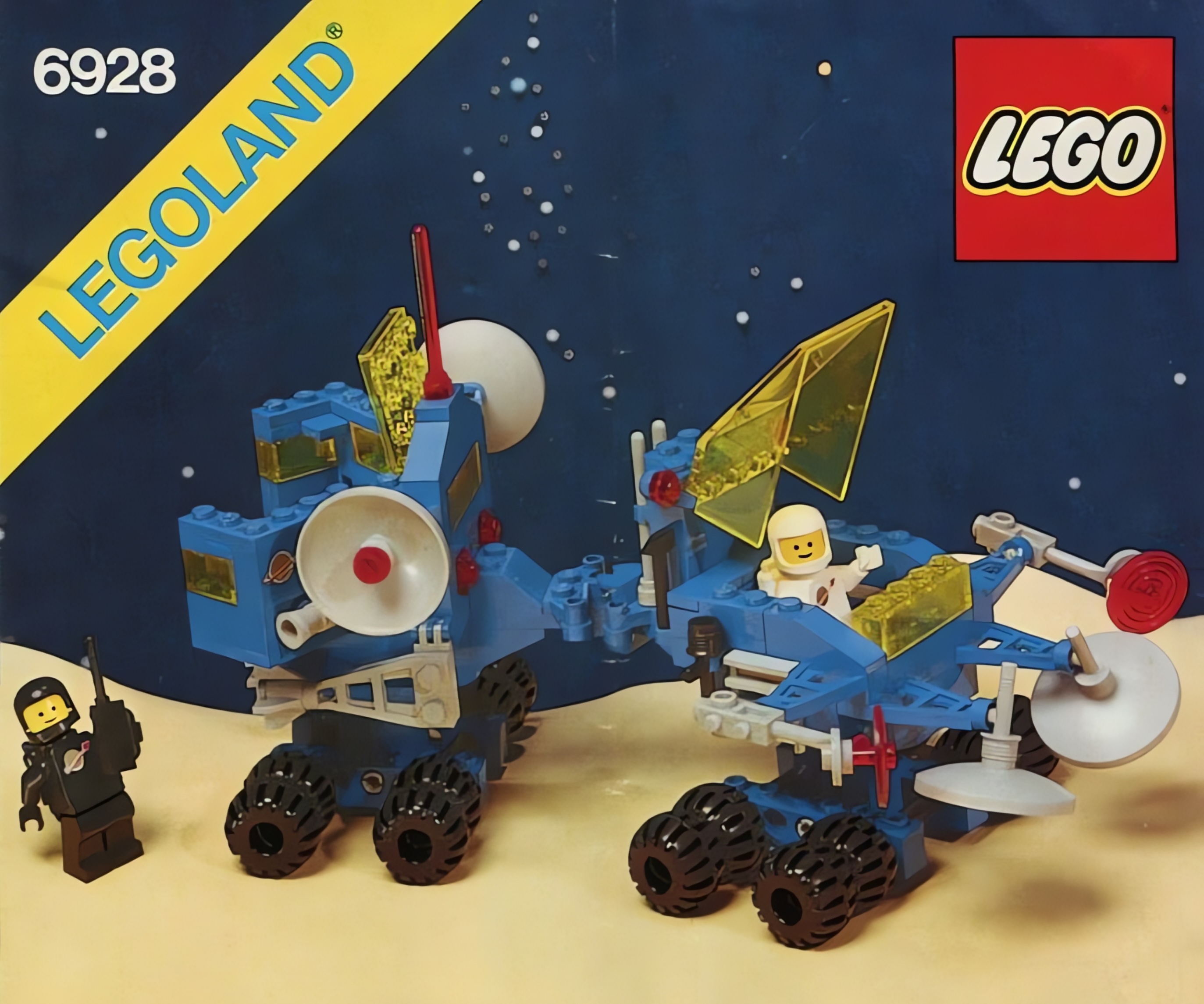
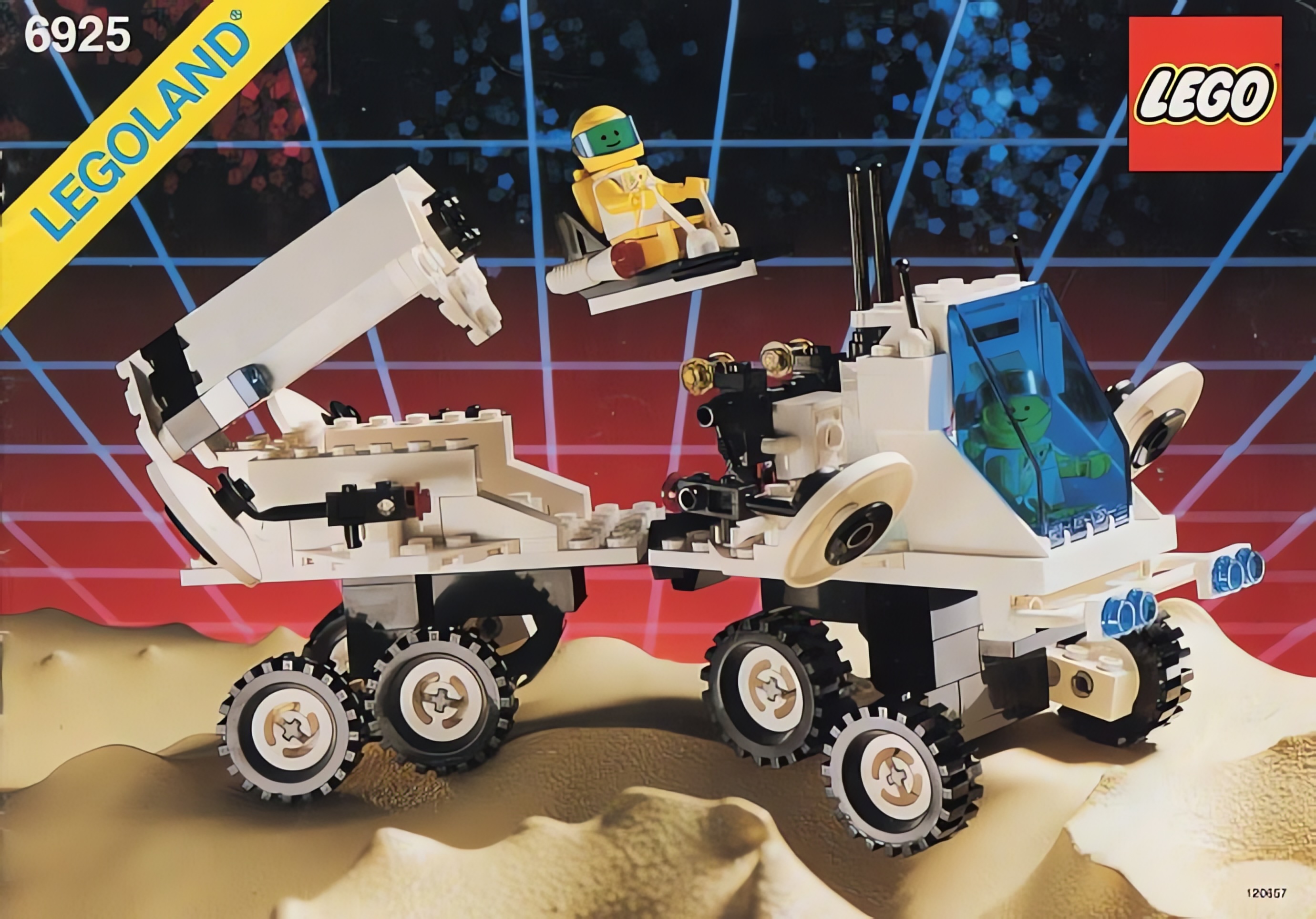
Lots of wheels on 6928 – Uranium Search Vehicle (very specific job description!) And lots going on with all the radar dishes, antennas and whatnot. I just like the look of it. In 1998 I did a kind of homage to this set with the 6925 Interplanetary Rover (a personal favorite)
Questions, feedback? Let me know in the comments.

