
The Grid. A digital frontier. I tried to picture clusters of information as they moved through the computer. What did they look like? Ships? Motorcycles? Were the circuits like freeways? I kept dreaming of a world I thought I’d never see.
And then, one day.. I got in..
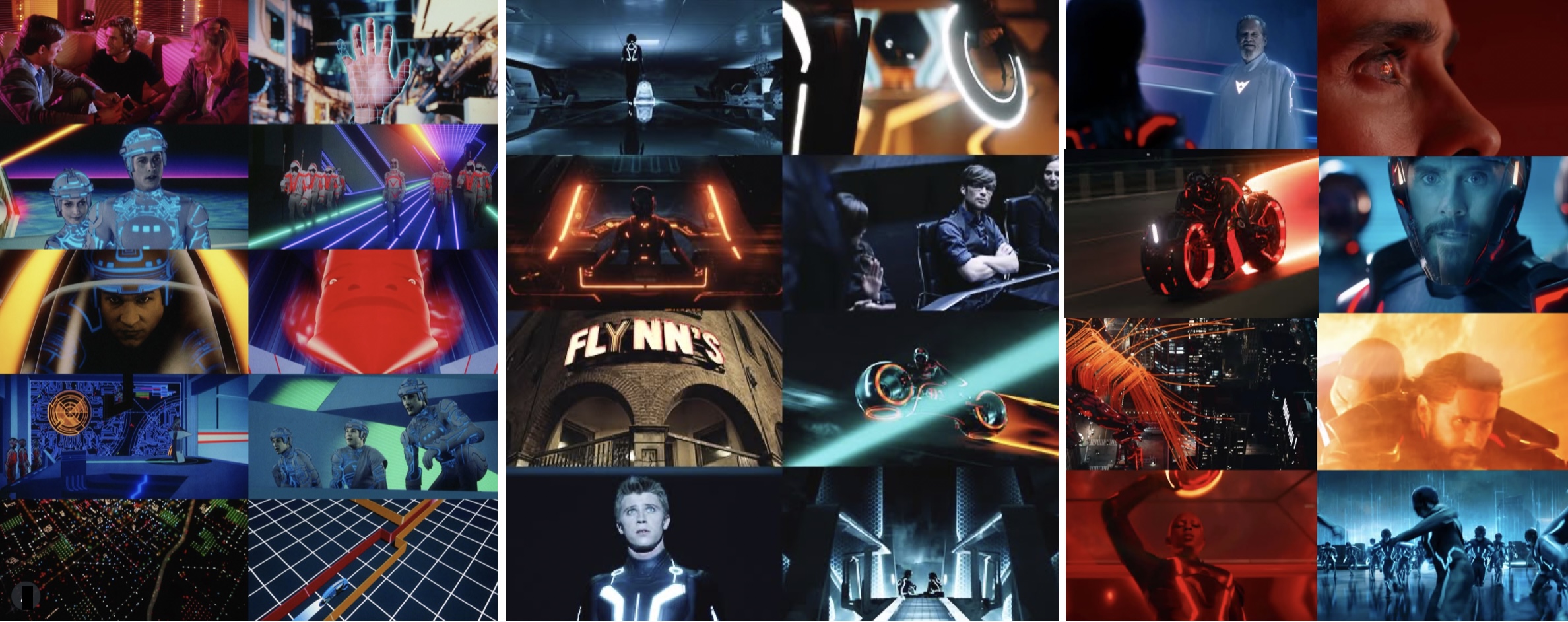
Recently I watched the old Tron and the newer TRON: Legacy back-to-back. There are plenty of ridiculous elements in the first film, but at the same time it carried this extraordinary idea: a virtual world with geography and spatial depth inside the computer. Back then it hit something deep in the emerging hacker- and computer culture and became a kind of beacon. For many of us. For me too.
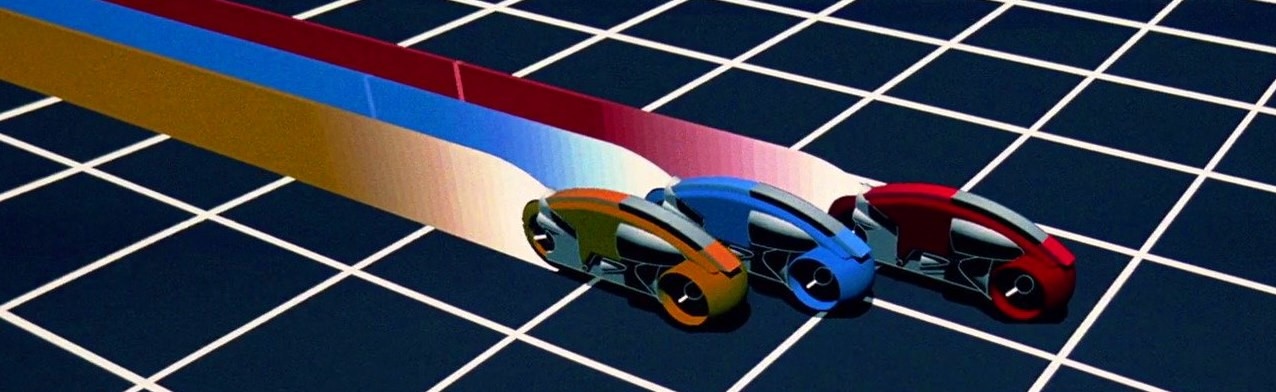
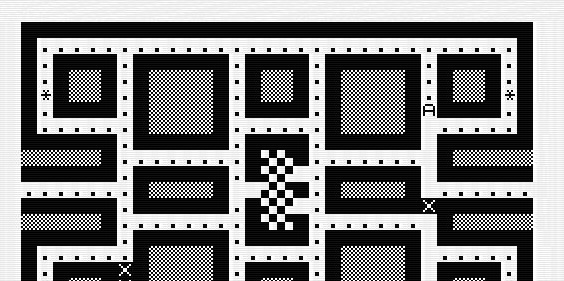
Shortly after seeing the original Tron in the cinema, I had my own personal Tron-moment. In the eighties, if you wanted anything creative to happen on a computer, you had to code it yourself. I had written a Pac-Man clone in a version of BASIC that could be compiled, so it ran absurdly fast. The ghosts were programmed to turn around when they hit a wall, but at the top of the screen I had a score counter, and I had forgotten to tell the ghosts that they also needed to turn if they entered that area. While testing the game, one of the four ghosts suddenly disappeared from the maze—it simply escaped through the hole in my code.
I stopped the program and typed “LIST” to inspect the source. But what had happened was that the ghost had carved its way straight down through the program lines and destroyed them. On a ZX81 the screen memory lived dangerously close to the area used for code, and I just caught a glimpse of how the ghost, like Flynn on his light cycle, had left the arena and driven into the “forbidden” zone. For a couple of seconds the shredded program flickered on the screen. And then the computer crashed.
It was a wild moment. People are welcome to chuckle here, but for me it was a strangely defining moment. The idea that something inside the computer could feel that physical, that concrete, never left me. Later Gibson and the rest came along and filled cyberspace with language and imagery, but for me it was the Tron-mythology that stuck. Today we live with fifteen–twenty layers of abstraction between the CPU and the interface we touch, but back then there were only a couple of thin membranes between the user and the hardware’s heart. Oh, and here’s a similar story, even more TRON than mine. (Thanks, Michael Knudsen)

 ...
... 